Gallbladder Pain Location in Females: Where It Hurts, What It May Mean, and When to Get Checked
Gallbladder pain can be confusing, especially in women. It does not always feel like a dramatic “right side pain” that is easy to identify. Sometimes it begins as pressure under the ribs, a deep ache in the upper abdomen, pain after a heavy meal, nausea that feels like indigestion, or discomfort that seems to move into the back or right shoulder. Because of that, many women first assume the problem is acid reflux, gas, a pulled muscle, stress, or simply “something I ate.”
The location matters. Gallbladder-related pain is most often felt in the upper right part of the abdomen, just under the rib cage, but it can also be felt in the middle upper abdomen and may radiate toward the right shoulder blade or upper back. In women, the anatomy is the same as in men, but gallstones and gallbladder problems are more common, which makes this topic especially relevant in real life. Hormonal factors, pregnancy, body weight, and rapid weight changes can all affect risk.
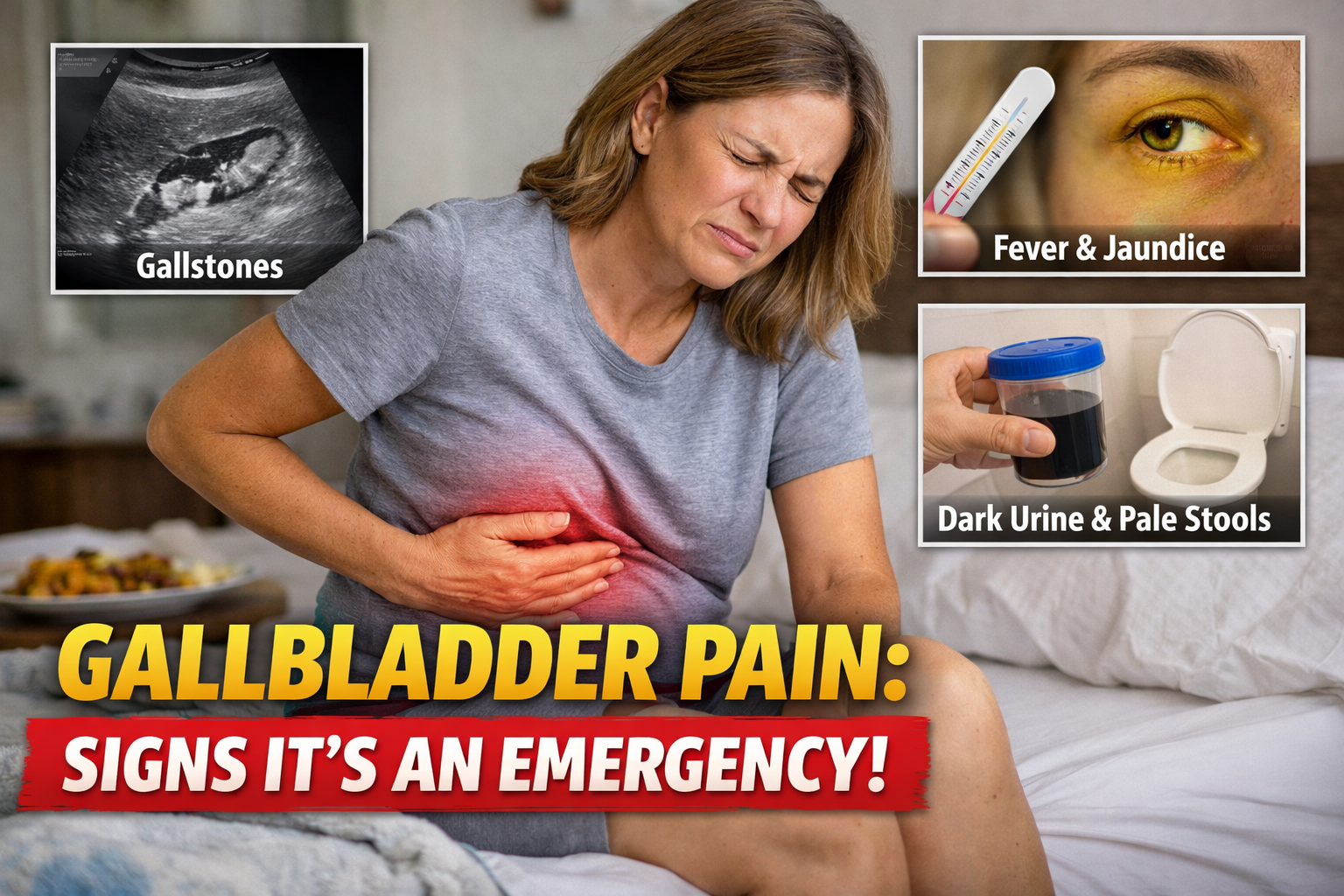
This is important because not every pain in the upper abdomen is harmless, and not every “stomach ache” should be watched at home. A short-lived episode after a greasy meal may suggest a gallbladder attack, while pain that lasts longer, comes with fever, yellowing of the eyes, vomiting, dark urine, or pale stools may point to inflammation or a blocked bile duct and needs prompt medical attention.
This article explains where gallbladder pain is usually located in females, why it happens, what patterns are typical, what can make it more likely, how doctors evaluate it, and what practical steps may help while you are deciding when to seek care. It is educational, not a diagnosis, and it should not replace care from a qualified medical professional, especially if symptoms are severe or unusual.
Table Of Contents
Understanding Gallbladder Pain Location in Females
Types Of Gallbladder Pain Location in Females
Causes Of Gallbladder Pain Location in Females
Symptoms Of Gallbladder Pain Location in Females
Risk Factors
Diagnosis Process
Living With Gallbladder Pain Location in Females
Prevention Strategies
Practical Examples
Conclusion
Frequently Asked Questions
Final Editorial Disclaimer
References
Understanding Gallbladder Pain Location in Females
The gallbladder is a small organ that sits under the liver in the upper right side of the abdomen. Its job is to store bile, a digestive fluid that helps the body break down fats. When you eat, especially a meal rich in fat, the gallbladder contracts and releases bile into the digestive tract.
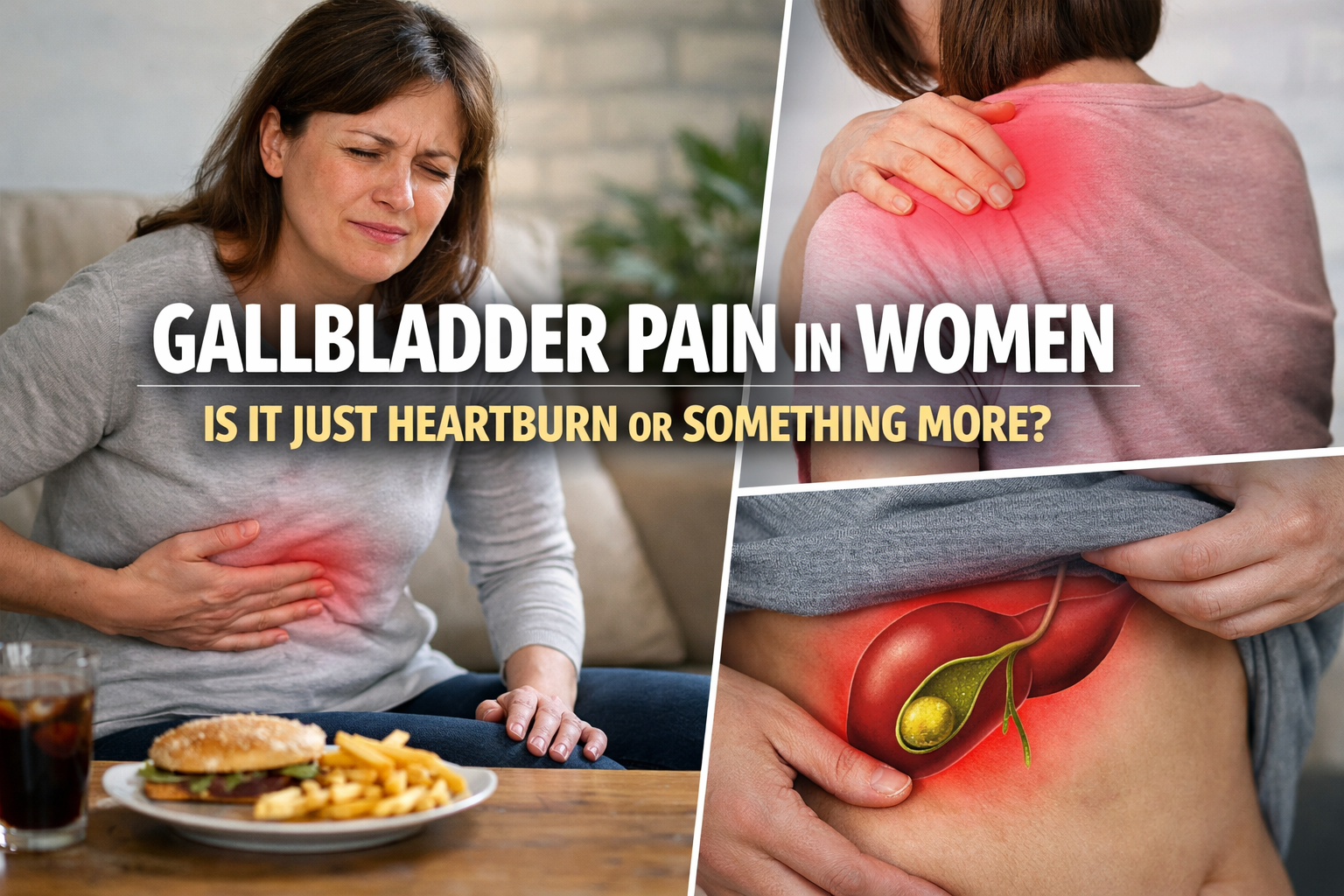
That basic anatomy explains why gallbladder pain has such a recognizable pattern. If the gallbladder becomes irritated, inflamed, or blocked by a stone, pain is usually felt in the upper right abdomen under the ribs. Some women feel it more toward the center of the upper abdomen, just below the breastbone. Others notice that it starts there and then spreads toward the right shoulder blade or the upper back.
This spread of pain is one reason gallbladder problems are often missed at first. A woman may say, “It feels like it is in my bra line,” “It wraps around to my back,” or “It feels like chest pressure after dinner.” The pain is still coming from the biliary system, but the nervous system does not always make the signal feel neatly limited to one small spot.
Another important point is that the location of gallbladder pain in females is not different because the organ sits somewhere else. It is the same general location anatomically. What is different is that women are more likely to develop gallstones and other gallbladder-related symptoms, especially during certain hormonal and life stages. That means the symptom pattern comes up more often in women in day-to-day practice.
In practical terms, the most typical location pattern looks like this:
Upper right abdomen, under the right rib cage
Middle upper abdomen, just below the breastbone
Pain that radiates to the right shoulder
Pain that radiates between the shoulder blades or into the upper back
This is why a woman who feels repeated pain after meals in the upper right abdomen should not dismiss it as random indigestion, especially if the pattern keeps repeating.
Why the pain often shows up after eating
The gallbladder is especially active after a meal, particularly one with more fat. Think fried foods, creamy sauces, fast food, buttery pastries, pizza, heavy takeout, or a large restaurant dinner. If a gallstone is sitting where bile should flow, the gallbladder may squeeze against that blockage. That can create the classic pain episode often described as biliary colic.
That also explains why many women say the pain hits at night. It is often not because nighttime itself causes the pain. It is because dinner was heavier, later, or richer than what they ate earlier in the day.
Why the pain can feel intense even if it comes and goes
Gallbladder pain does not always behave like a sore muscle. It may build over minutes, peak strongly, then ease. Some episodes last 20 minutes. Others go on for a few hours. If pain does not settle after a few hours, the concern rises for something more than a temporary blockage.
Types Of Gallbladder Pain Location in Females
When people search for “gallbladder pain location female,” they usually want a simple answer. The pain is most often in the upper right abdomen. But there are actually several common location patterns, and recognizing them can make the symptom easier to identify.
Classic right upper abdominal pain
This is the most textbook pattern. The pain sits under the right rib cage and may feel deep, squeezing, cramping, sharp, or steadily aching. It is often moderate to severe and hard to ignore.
For many women, this is the pattern most closely linked to gallstones. It may come on after a fatty meal, last from about 30 minutes to a few hours, and then ease.
Epigastric pain in the center upper abdomen
Some women do not feel the pain mainly on the right side. Instead, they feel it in the upper middle abdomen, just below the breastbone. This is one reason gallbladder pain can be mistaken for heartburn, acid reflux, gastritis, or an ulcer.
If the discomfort is repeatedly triggered after meals and has a pressure-like or gripping quality, gallbladder disease may still be part of the picture.
Pain that travels to the back
Back pain can absolutely be part of gallbladder pain. Many women describe it as pain between the shoulder blades or an ache in the right upper back. Some notice the back pain even more than the front abdominal pain.
This can be especially confusing for women who sit at a desk all day or who already deal with neck and shoulder tension. A pain episode may feel like posture strain when it is actually coming from the gallbladder.
Right shoulder pain
Referred pain to the right shoulder is a classic but underappreciated clue. Not every woman gets it, but when it shows up with upper abdominal pain, nausea, or pain after eating, it becomes more suggestive of a biliary cause.
Constant inflammatory pain
Not all gallbladder pain comes and goes. If the gallbladder becomes inflamed, the pain may become more constant, more tender to touch, and more serious overall. Fever, vomiting, and feeling ill can enter the picture.
Complication-related pain
If a gallstone blocks the common bile duct or contributes to pancreatitis, the location and severity can change. Pain may become more persistent, more central, more widespread in the upper abdomen, or strongly radiate to the back. Jaundice, dark urine, pale stools, fever, and worsening illness are major warning signs.
Causes Of Gallbladder Pain Location in Females
The most common cause of gallbladder pain is gallstones. These are hardened pieces of material that form in the gallbladder. Many gallstones cause no symptoms at all. Problems start when a stone blocks the flow of bile.
Gallstones
This is the leading cause. A woman may have silent gallstones for years and never know they are there. Then one day, after a heavy meal, a stone temporarily blocks the outlet of the gallbladder. The result can be a sudden pain attack.
Gallstones can form when bile contains too much cholesterol, too much bilirubin, or not enough bile salts. The gallbladder may also fail to empty effectively, which gives the material more time to harden into stones.
Biliary colic
Biliary colic is not a separate disease so much as a pain pattern. It refers to the pain that happens when gallbladder contraction meets a blockage or partial blockage. The pain builds, peaks, and may fade when pressure eases.
This is often the “I had a terrible attack after dinner” scenario.
Cholecystitis
Cholecystitis means inflammation of the gallbladder. This often happens when a gallstone stays lodged and the gallbladder remains blocked. Pain tends to become more intense and persistent, and fever or tenderness may appear.
This is no longer just a passing digestive complaint. It may require urgent treatment and sometimes a hospital stay.
Blocked bile duct
A stone can move beyond the gallbladder and block a bile duct. This can lead to jaundice, dark urine, pale stools, severe pain, and sometimes infection.
Gallstone pancreatitis
Sometimes a migrating stone affects the pancreatic duct area and triggers pancreatitis. That can cause significant upper abdominal pain that may spread to the back and usually needs prompt medical evaluation.
Biliary dyskinesia or gallbladder dysfunction
Not every woman with gallbladder-type pain has stones. In some cases, the gallbladder may not empty normally even when imaging does not show obvious stones. This is a more specialized evaluation issue, but it matters because the pain pattern can still be strongly biliary in nature.
Less common causes
Less common causes of pain in the gallbladder area can include bile duct narrowing, polyps, and rarely cancer. These are not the first explanation in most otherwise healthy women with meal-related attacks, but persistent, unexplained, or atypical symptoms should still be evaluated rather than assumed away.
Symptoms Of Gallbladder Pain Location in Females
The pain location is the headline symptom, but the full symptom pattern matters more than location alone.
Common symptoms
Many women with gallbladder pain notice some combination of:
Pain in the upper right abdomen
Pain in the center upper abdomen
Pain after greasy, oily, rich, or fatty meals
Nausea
Vomiting
Pain that spreads to the right shoulder or upper back
Episodes that last from several minutes to a few hours
Tenderness in the upper abdomen
A sense of fullness, pressure, or deep ache
What the pain often feels like
Women describe gallbladder pain in different ways:
Sharp
Stabbing
Squeezing
Cramping
Gripping
Deep aching
Pressure-like
Hard to get comfortable with
A useful real-life clue is that gallbladder pain often interrupts normal activity. It is not just a mild background discomfort. A woman may stop eating, stop talking, pace, curl forward, or become restless because it is difficult to sit still.
Red-flag symptoms that raise concern
Symptoms become more urgent when the pain is joined by:
Fever or chills
Yellowing of the skin or eyes
Dark urine
Pale, gray, or clay-colored stools
Repeated vomiting
Pain that lasts several hours
Worsening tenderness
Feeling very unwell overall
These signs can suggest infection, significant obstruction, or another complication that should not wait.
In females, symptoms may be confused with other conditions
Women often juggle several possible explanations for abdominal discomfort. Gallbladder pain can be confused with:
Heartburn or reflux
Gas pain
Peptic ulcer symptoms
Muscular pain under the ribs
General indigestion
Pregnancy-related nausea
Back strain
Sometimes even chest discomfort
That does not mean every upper abdominal symptom is gallbladder disease. It means pattern recognition matters. Recurrent post-meal pain in the upper right or upper middle abdomen, especially with nausea or radiation to the back, deserves proper evaluation.
Risk Factors
Women are more likely than men to develop gallstones, and that is one of the biggest reasons this search topic is so common. But the risk is not simply “being female.” It is how sex hormones, metabolism, body weight, pregnancy, and family patterns interact over time.
Female sex and hormones
Estrogen can increase cholesterol in bile and affect gallbladder function. This helps explain why gallstones are more common in women, especially during reproductive years, pregnancy, and in some women using estrogen-containing therapies.
Pregnancy
Pregnancy changes hormone levels and can slow gallbladder emptying. Some women first develop gallstones during pregnancy or shortly after. This is especially relevant when a pregnant woman develops upper right abdominal pain after meals or unexplained nausea beyond the usual pregnancy pattern.
Age
Risk rises with age. Women over 40 are classically considered at higher risk, though younger women can absolutely develop symptomatic gallstones too.
Overweight and obesity
Higher body weight can raise gallstone risk, partly through changes in bile composition and gallbladder emptying. This is one reason gallbladder disease is common in adults who are also dealing with insulin resistance, metabolic issues, or sedentary routines.
Rapid weight loss
This is a major but often overlooked risk factor. Crash dieting, very low-calorie plans, or rapid post-surgical weight loss can increase the chance of forming gallstones. Many women do not realize this because weight loss is assumed to always lower digestive risk. The pace matters. Slow, steady weight loss is generally safer for the gallbladder than aggressive swings.
Diet pattern
A diet high in fat and cholesterol and low in fiber is associated with higher gallstone risk. Diet alone is rarely the entire story, but it can contribute.
Family history and genetics
If gallstones run in the family, risk goes up. This can be especially relevant when several women in the family have had gallbladder surgery.
Diabetes and certain medical conditions
Diabetes and some blood disorders are linked with increased gallstone risk as well.
Diagnosis Process
Gallbladder pain is not diagnosed from location alone. The location is a clue. The diagnosis comes from the pattern, the physical exam, and the right tests.
Step 1: Medical history
A clinician usually starts with practical questions:
Where exactly is the pain?
When did it start?
Does it happen after meals?
How long does each episode last?
Does it go to the back or shoulder?
Any nausea, vomiting, fever, or jaundice?
Are you pregnant?
Have you lost weight quickly?
Do you have a history of gallstones?
These questions matter because gallbladder pain has a recognizable rhythm.
Step 2: Physical exam
The upper right abdomen may be tender. In more significant inflammation, touching that area can make the pain noticeably worse.
Step 3: Blood tests
Blood work may be used to look for signs of infection, inflammation, jaundice, liver involvement, or pancreatitis. Blood tests do not replace imaging, but they help show whether the problem is still limited or becoming more complicated.
Step 4: Ultrasound
Ultrasound is commonly the first imaging test for suspected gallstones. It is noninvasive, widely available, and often very effective at showing stones or signs of inflammation.
If you are a woman with repeated right upper abdominal pain after meals, an ultrasound is one of the most common next steps.
Step 5: Additional imaging when needed
If ultrasound does not tell the full story, doctors may use other tests such as:
CT scan
MRI or MRCP
HIDA scan
ERCP in selected cases, especially when duct problems are suspected
A HIDA scan helps evaluate bile flow and gallbladder function. ERCP can both identify and treat certain bile duct blockages.
What diagnosis may show
Depending on the case, evaluation may show:
Silent gallstones
Symptomatic gallstones
Acute cholecystitis
Bile duct obstruction
Gallstone pancreatitis
Gallbladder dysfunction without obvious stones
Living With Gallbladder Pain Location in Females
Living with possible gallbladder pain is often more disruptive than people expect. It affects meals, social plans, travel, sleep, and confidence around food.
A woman with recurring attacks may start scanning menus in a way she never used to. She may skip restaurant outings because creamy pasta, burgers, fried appetizers, or rich desserts have triggered pain before. She may feel anxious before holidays, weddings, or family dinners because heavy food can be followed by hours of discomfort.
Some women begin eating less, not because that is a healthy plan, but because they are trying to avoid another attack. Others cycle between “eating normally when I feel okay” and “regretting it later,” which becomes exhausting. This is one reason proper evaluation matters. The issue is not only pain. It is how unpredictable pain changes daily life.
Common day-to-day difficulties
Worry after eating
Trouble finishing normal meals
Fear of greasy or restaurant foods
Nighttime pain after dinner
Nausea during work or commuting
Back or shoulder discomfort that gets misread as stress
Frustration when symptoms are dismissed as “just gas”
Practical self-care while waiting for evaluation
Self-care is supportive, not curative, but it may reduce triggers for some people.
Helpful habits may include:
Eating smaller meals instead of very large ones
Reducing very greasy, fried, or rich foods
Avoiding long fasting followed by a huge meal
Staying hydrated
Keeping a symptom and meal log
Seeking evaluation instead of repeatedly guessing
A symptom log can be surprisingly useful. Write down:
Time pain started
Exact location
What you ate before it happened
How long it lasted
Whether it radiated to the back or shoulder
Whether nausea, vomiting, fever, or bowel color changes appeared
This can make medical appointments much more productive.
What not to do
Do not keep assuming severe repeated attacks are “normal indigestion.”
Do not rely on random online advice to self-diagnose.
Do not delay care if pain is intense, prolonged, or paired with fever or jaundice.
Do not use crash diets in the hope that quick weight loss will solve everything.
Prevention Strategies
Not every gallbladder problem can be prevented, and some people will develop gallstones even with healthy habits. Still, prevention and risk reduction matter.
Maintain a healthy weight gradually
One of the most practical strategies is avoiding major weight swings. If weight loss is appropriate for your health, slow and steady is usually better than dramatic restriction.
Avoid crash dieting
Very low-calorie plans and aggressive dieting can increase gallstone risk. A realistic approach is more protective than a punishing one.
Build meals around balance
A balanced eating pattern may help support long-term gallbladder health. This does not mean zero fat. It means avoiding the repeated pattern of very heavy, high-fat meals that trigger attacks in susceptible people.
A practical plate might include:
Lean protein
Vegetables
Fruit
Beans or lentils
Whole grains
Moderate, not excessive, added fats
Include fiber regularly
Higher-fiber eating patterns may help support digestive and metabolic health overall.
Keep moving
Regular activity supports weight management, insulin sensitivity, and general digestive health.
Review hormone and pregnancy context with a clinician
This does not mean women should fear hormones or pregnancy. It means that if symptoms begin during pregnancy, after childbirth, or while using estrogen-containing medication, the gallbladder should at least be considered rather than overlooked.
Practical Examples
Example 1: The “post-takeout attack”
A 39-year-old woman notices that every few weeks, about an hour after burgers, fries, or creamy pasta, she develops a gripping pain under her right ribs. It radiates to her back and makes her nauseated. By bedtime it eases. She keeps calling it heartburn, but antacids do not really help.
What this pattern suggests:
Meal-triggered upper right pain
Radiation to the back
Recurrent episodes
Poor response to typical reflux strategies
What she should do:
Book a medical evaluation
Keep a short symptom log
Seek urgent care sooner if pain becomes prolonged, severe, or comes with fever or jaundice
Example 2: The pregnancy puzzle
A pregnant woman develops repeated upper right abdominal discomfort with nausea. Because pregnancy itself can cause digestive changes, she assumes it is normal. But the pain is more localized, happens after meals, and sometimes spreads to the shoulder blade.
What matters here:
Pregnancy can increase gallbladder risk
Not all nausea in pregnancy is “just pregnancy”
Upper right pain deserves discussion with her obstetric clinician
Example 3: The “it must be my back” pattern
A woman working long hours at a laptop develops repeated pain between her shoulder blades after dinner. Eventually she also notices pressure in the upper abdomen and nausea. She has been treating it like muscle tension.
What this shows:
Gallbladder pain can present partly as back pain
The meal pattern is often the giveaway
A simple checklist for readers
Gallbladder pain becomes more likely when several of these are true:
The pain is in the upper right abdomen or upper middle abdomen
It happens after greasy or fatty meals
It may radiate to the right shoulder or upper back
It lasts from minutes to hours
Nausea or vomiting comes with it
It has happened more than once
You are female and have risk factors such as pregnancy, obesity, rapid weight loss, or a family history
A practical “do and don’t” list
Do:
Notice patterns, not just single symptoms
Eat smaller, lighter meals if rich meals trigger attacks
Arrange medical evaluation for repeated episodes
Get urgent help for fever, jaundice, dark urine, pale stools, or severe prolonged pain
Don’t:
Shrug off repeated right upper abdominal pain
Assume all upper abdominal pain is acid reflux
Ignore symptoms because they come and go
Start extreme dieting to “fix” the problem fast
A beginner-friendly sample day if rich meals trigger symptoms
This is not a treatment plan, but a gentler eating pattern some people tolerate better while waiting for evaluation:
Breakfast
Oatmeal with fruit
Low-fat yogurt or a simple protein source
Lunch
Grilled chicken or tofu
Rice or quinoa
Cooked vegetables
Snack
Banana, apple, or crackers
Dinner
Baked fish or beans
Potatoes or brown rice
Steamed vegetables
What to limit for now if they trigger pain
Fried foods
Cream-heavy sauces
Large fast-food meals
Very greasy takeout
Heavy late-night meals
Conclusion
Gallbladder pain location in females is usually centered in the upper right abdomen under the rib cage, but it can also be felt in the upper middle abdomen and may spread to the right shoulder or upper back. That spread is exactly why many women miss the pattern at first.
The most common cause is gallstones, especially when pain comes on after fatty meals, lasts from minutes to hours, and returns in recognizable episodes. Women face higher risk because of hormonal influences, pregnancy, body weight factors, and rapid weight loss patterns. The pain itself is important, but the associated symptoms matter even more.
The most practical next step is not guessing endlessly. It is paying attention to the pattern, reducing obvious meal triggers if needed, and getting properly evaluated if episodes are recurrent. If pain is severe, lasts several hours, or comes with fever, jaundice, dark urine, pale stools, or repeated vomiting, prompt medical care is the right move.