
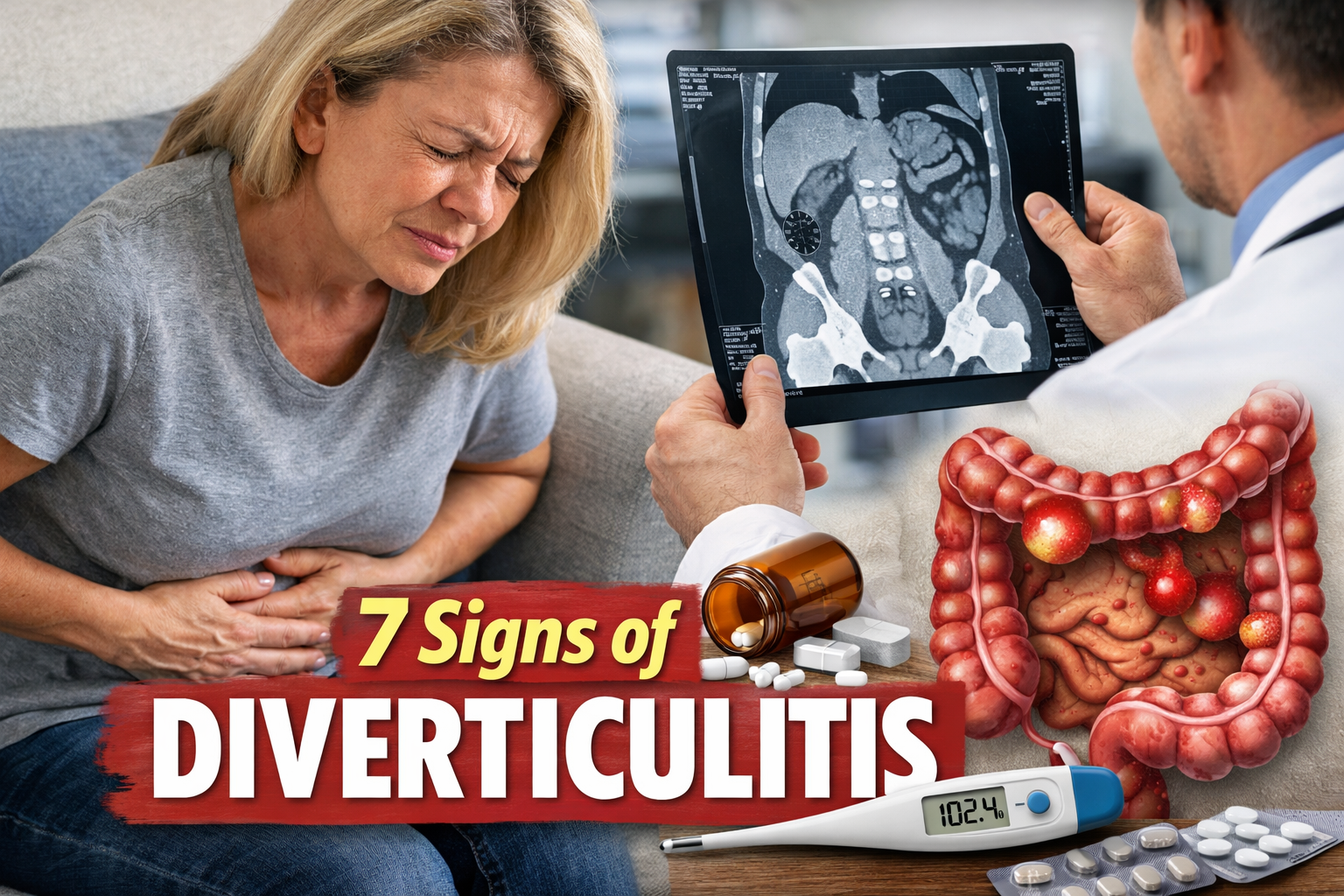
7 Common Diverticulitis Symptoms to Watch For
Diverticulitis can be easy to misunderstand at first. Many people assume it is just another name for stomach upset, constipation, or “a flare of digestive problems.” But diverticulitis is more specific than that. It happens when small pouches in the wall of the colon, called diverticula, become inflamed, and sometimes infected. That inflammation can trigger a cluster of symptoms that range from uncomfortable to urgent.
What makes diverticulitis tricky is that it does not always look the same in every person. Some people develop sudden, sharp lower abdominal pain with fever. Others notice a slower buildup of tenderness, bowel changes, nausea, or fatigue over several days. Recognizing the pattern matters because prompt medical evaluation can help rule out complications and guide the right treatment.
This guide walks through seven common diverticulitis symptoms, what they may feel like in real life, and when they should be treated as a reason to seek medical care quickly.
What Is Diverticulitis?
Diverticulitis develops when diverticula, small bulging pouches that can form in the colon wall, become inflamed. Having the pouches alone is called diverticulosis, which is common and often causes no symptoms. Diverticulitis is different because it involves active inflammation and may sometimes involve infection, pain, fever, and digestive disruption.
1. Lower abdominal pain that does not feel normal
The symptom most strongly associated with diverticulitis is abdominal pain, especially pain in the lower part of the belly. In many adults, it is felt on the lower left side. The pain may begin suddenly and feel intense, or it may start mild and become worse over hours or days. The intensity can also change over time rather than staying exactly the same.
People describe this pain in different ways:
steady aching
cramping
sharp tenderness
pain that gets worse with movement
soreness when the area is pressed
This is not the kind of discomfort most people ignore easily. It often feels more localized and more persistent than ordinary bloating or mild indigestion. If the pain becomes severe, especially together with fever or vomiting, it should be assessed promptly because complicated diverticulitis can involve an abscess, perforation, fistula, or other serious problems.
2. Constipation, diarrhea, or a sudden change in bowel habits
Inflammation in the colon can interfere with normal bowel function, which is why many people with diverticulitis notice a clear shift in their usual bathroom pattern. National Institute of Diabetes and Digestive and Kidney Diseases guidance lists constipation or diarrhea among common diverticulitis symptoms.
In real life, this can look like:
being more constipated than usual
having looser stools out of nowhere
feeling like bowel movements are incomplete
noticing that your digestive system suddenly feels “off” for no obvious reason
These bowel changes do not confirm diverticulitis by themselves, because many digestive problems can cause similar symptoms. But when they show up together with lower abdominal pain and fever, the pattern becomes more concerning.
It is also important not to assume that blood in the stool automatically means diverticulitis. Bleeding can happen with diverticular disease, but blood in stool has a broad differential and should be evaluated medically rather than self-diagnosed.
3. Fever and chills
Fever is one of the clues that helps separate diverticulitis from more routine digestive discomfort. Mayo Clinic and NIDDK both list fever among common symptoms, and NIDDK also notes chills as part of the typical symptom pattern.
A person with diverticulitis may notice:
feeling unusually warm or flushed
temperature elevation along with abdominal pain
chills or shivering
body aches and a general “sick” feeling
This matters because fever suggests the body is reacting to inflammation and possibly infection. Abdominal pain without fever can have many causes, but abdominal pain plus fever deserves more attention. If the fever is high, persistent, or paired with worsening tenderness, vomiting, or inability to eat and drink, urgent evaluation is important.
4. Nausea and sometimes vomiting
Diverticulitis often affects more than just the colon itself. Once inflammation ramps up, many people feel nauseated, lose their appetite, or vomit. Both Mayo Clinic and NIDDK include nausea, and NIDDK also specifically includes vomiting, among common symptoms.
This may show up as:
a queasy stomach that does not settle
feeling worse when trying to eat
reduced appetite
vomiting after pain has started
trouble keeping fluids down
These symptoms can make an episode harder to manage because they raise the risk of dehydration. Vomiting also makes clinicians more concerned about the severity of the flare and whether a blockage or complication needs to be ruled out.
5. Tenderness, bloating, and a swollen uncomfortable belly
Pain is not always the only abdominal symptom. Some people also feel bloated, tight, or visibly distended. The abdomen may feel tender when touched, and clothing may suddenly feel uncomfortable around the waist. Mayo Clinic specifically notes abdominal tenderness when touched as a common sign.
This can feel like:
pressure in the lower abdomen
a heavy, swollen sensation
trapped gas with cramping
tenderness when turning, walking, or coughing
discomfort that makes it hard to get comfortable
Bloating is nonspecific and can happen with IBS, constipation, food intolerance, and many other conditions, so it should not be read in isolation. But bloating together with focal lower abdominal pain, tenderness, fever, or nausea becomes more suggestive of diverticulitis and should not be brushed off as “just gas.”
6. Urinary symptoms or pelvic pressure
This is a symptom pattern people do not always expect. Because the inflamed colon can sit close to the bladder and surrounding pelvic structures, some people report urinary urgency, frequency, discomfort, or pelvic pressure during a diverticulitis episode. Cleveland Clinic notes that diverticulitis can involve nearby structures and that complications such as fistulas can occur; Mayo Clinic’s treatment guidance also lists fistulas among complications of more serious disease.
Possible symptoms may include:
feeling like you need to urinate more often
pelvic heaviness or pressure
burning or discomfort when urinating
lower abdominal discomfort that feels partly digestive and partly urinary
Urinary symptoms do not prove diverticulitis, and a urinary tract infection may cause similar complaints. But when urinary symptoms occur alongside classic lower abdominal pain, fever, bowel changes, or tenderness, clinicians may consider whether inflammation in the colon is affecting nearby tissues.
7. Fatigue, weakness, and feeling generally unwell
Inflammation often affects the whole body, not just one organ. Even when the main symptoms are abdominal, many people with diverticulitis also feel unusually tired, weak, or drained. That can happen because of pain, poor sleep, reduced eating, dehydration, fever, and the body’s inflammatory response. This is an inference based on the common symptom cluster and the systemic effects of infection and inflammation.
A person may notice:
low energy
weakness during routine activity
poor concentration
loss of appetite plus exhaustion
an overall sense of being unwell
While fatigue is common in many illnesses, it becomes more relevant here when it appears as part of the broader diverticulitis picture.
When Diverticulitis Symptoms Need Urgent Care
Seek prompt medical attention if you have:
strong or worsening abdominal pain, especially in the lower abdomen
fever with abdominal tenderness
nausea or vomiting that makes it hard to keep fluids down
symptoms that are rapidly getting worse
signs of possible complications, such as severe pain or persistent illness
Complicated diverticulitis can involve problems such as abscess formation, perforation, fistulas, or other tissue damage, which is why severe or escalating symptoms should not be managed casually at home.
How Doctors Confirm the Cause
Symptoms alone are not enough to diagnose diverticulitis with certainty because other conditions can look similar, including appendicitis, urinary tract problems, inflammatory bowel disease, kidney stones, and other causes of abdominal pain. Mayo Clinic notes that medical evaluation is used to confirm the diagnosis and determine treatment.
Depending on the situation, evaluation may include:
a medical history and physical exam
blood tests
urine testing
imaging, often a CT scan
follow-up colon evaluation after recovery in selected cases
Mayo Clinic also notes that a colonoscopy may be recommended six weeks or longer after symptoms resolve, depending on the person’s history and how serious the episode was.
The Bottom Line
Diverticulitis symptoms often follow a pattern: lower abdominal pain, bowel changes, fever or chills, nausea or vomiting, abdominal tenderness or bloating, possible urinary discomfort, and a washed-out or weak feeling overall. The most important red flag is not any one symptom by itself, but the combination of persistent abdominal pain with fever, tenderness, or digestive upset.
Early evaluation matters because the right treatment depends on how severe the inflammation is and whether complications are present. Mild cases may improve with medical guidance and close follow-up, while more serious cases may need urgent treatment.