Irritable Bowel Syndrome (IBS): Symptoms, Triggers, Diagnosis, and What Actually Helps
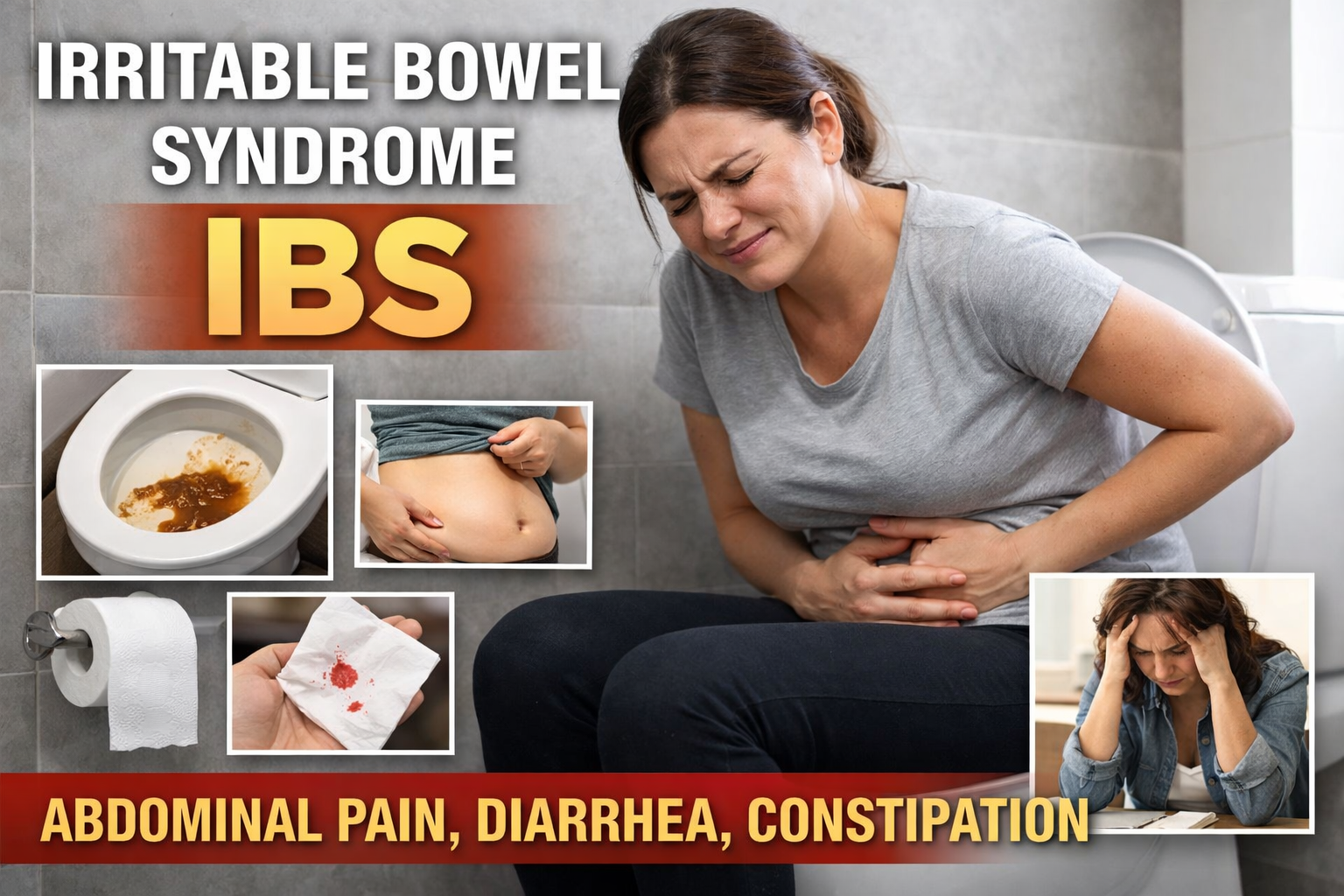
Irritable bowel syndrome, or IBS, is a symptom-based digestive condition marked by recurring abdominal pain together with changes in bowel habits such as diarrhea, constipation, or a mix of both. What makes IBS confusing is that symptoms can be very real and very disruptive even though routine testing does not show visible damage or structural disease in the digestive tract.
Modern guidance no longer treats IBS as “just stress” or “all in your head.” Instead, it is understood as a disorder of gut-brain interaction, meaning the gut, nervous system, pain signaling, movement of the bowel, and psychosocial factors can all play a role. Food, stress, hormones, and sometimes a past stomach infection can all influence how symptoms start or flare.
What IBS actually is
IBS is diagnosed from a recognizable symptom pattern, not from one single blood test, scan, or procedure. The core pattern is recurrent abdominal pain plus at least two of these features: the pain is related to bowel movements, there is a change in how often you go, or there is a change in stool form or consistency. Doctors commonly use the Rome symptom criteria as part of this diagnosis.
In practical terms, IBS usually falls into a few broad patterns: constipation-predominant IBS, diarrhea-predominant IBS, or mixed IBS, where constipation and diarrhea alternate. That matters because treatment is usually chosen based on the symptom pattern causing the most trouble.
What IBS symptoms feel like in real life
The classic IBS picture is abdominal pain or cramping that keeps coming back and seems tied to bowel movements. For some people the pain improves after going to the bathroom; for others it may worsen before a bowel movement and ease afterward. Stool frequency may increase, decrease, or swing between both.
Common symptoms can include:
recurring abdominal pain or cramping
diarrhea, constipation, or both at different times
bloating or visible abdominal distention
urgency, straining, or the feeling that the bowel movement was incomplete
mucus in the stool
fatigue, sleep problems, or other non-digestive symptoms in some people
Symptoms often flare after meals or during stressful periods. IBS symptoms also tend to follow a waxing-and-waning pattern rather than staying exactly the same every day. In some women, hormonal shifts around menstruation can worsen bowel sensitivity and symptom intensity.
Why IBS happens
There is no single confirmed cause of IBS. Current evidence points to a mix of factors rather than one problem that explains every case. These include altered gut movement, increased intestinal sensitivity to stretching or gas, changes in signaling along the gut-brain axis, and psychosocial influences that can amplify how symptoms are perceived and managed.
Some people develop IBS after an episode of acute gastroenteritis, sometimes called post-infectious IBS. The MSD Manual notes that perhaps 1 in 7 patients report IBS symptoms beginning after a stomach infection. That does not mean infection explains every case, but it is a recognized pathway.
Food is also part of the story, though not always in a simple “one food causes IBS” way. Fermentable carbohydrates known as FODMAPs are poorly absorbed in the small intestine and may increase colonic motility and secretion, which can worsen bloating, gas, diarrhea, and discomfort in some people. High-fat meals can also aggravate symptoms in some patients.
Stress, anxiety, depression, and poor sleep do not mean IBS is imaginary. They matter because the gut and brain are closely linked, and these factors can influence pain signaling, bowel function, symptom burden, and treatment response.
How doctors diagnose IBS
A good IBS evaluation usually starts with a careful history, review of symptom pattern, medical and family history, and a focused physical exam. A positive diagnostic strategy is now recommended over an endless “rule everything out first” approach. In other words, when the story clearly fits IBS and warning signs are absent, clinicians are encouraged to make the diagnosis confidently and start treatment rather than sending patients through unnecessary testing.
Rome-based symptom criteria remain central. A common framework is abdominal pain at least once a week in the last 3 months, with symptom onset at least 6 months before diagnosis, plus at least two of the three core bowel-related features described above.
Testing is usually limited and guided by the symptom pattern. In diarrhea-predominant IBS, guidelines recommend checking for celiac disease and using markers such as fecal calprotectin or C-reactive protein to help distinguish IBS from inflammatory bowel disease when alarm features are absent. In constipation-predominant cases, thyroid-stimulating hormone and calcium may be checked when appropriate.
Routine stool testing for infections is not recommended for all IBS patients. It is usually reserved for situations where exposure risk or the clinical story makes infection more likely, such as possible Giardia exposure.
Routine colonoscopy is generally not recommended for people under 45 with typical IBS symptoms and no warning signs, although normal age-appropriate colorectal cancer screening still applies. Colonoscopy becomes more important when symptoms start later in life, warning signs appear, or another condition is suspected.
Red flags that should not be brushed off
Some symptoms do not fit the usual IBS pattern and should trigger a more careful workup. These include:
unintentional weight loss
rectal bleeding or blood in the stool
iron deficiency anemia
diarrhea that wakes you from sleep
persistent vomiting
fever or chills
severe or steadily worsening abdominal pain
symptom onset later in life
family history of colon cancer, inflammatory bowel disease, or celiac disease
Pain that is not linked to bowel movements, symptoms that wake you from sleep, or a noticeable change from your usual IBS pattern deserve attention too. A person can have IBS and still later develop another digestive problem, so new or changing symptoms should not automatically be blamed on “just IBS.”
Conditions that can look like IBS
IBS overlaps with several other disorders, which is why the history and selective testing matter. Depending on the symptom pattern, doctors may need to think about lactose intolerance, medication-related diarrhea, celiac disease, microscopic colitis, bile acid diarrhea, small intestinal bacterial overgrowth, early inflammatory bowel disease, or pelvic floor disorders that make stool passage difficult.
In women, some pelvic conditions can mimic IBS symptoms, including ovarian cysts or endometriosis. That is one reason pelvic symptoms, menstrual patterns, and pain triggers outside bowel movements can matter during evaluation.
What actually helps IBS symptoms
Treatment works best when it is practical, individualized, and matched to the dominant symptoms. No single plan works for everyone, and many people improve through a combination of diet changes, lifestyle adjustments, stress management, and medication rather than one “magic fix.”
1) Start with meals and eating patterns
Many patients do better when meals are smaller, slower, and more regular rather than very large or rushed. People with bloating and gas may benefit from reducing foods high in fermentable carbohydrates, and some may improve by cutting back on sugar alcohols such as sorbitol or mannitol. People with clear lactose intolerance may benefit from reducing dairy.
2) Consider a short, structured low-FODMAP trial
The low-FODMAP diet is one of the best-studied dietary approaches for IBS, but it is meant to be temporary and structured, not a forever restriction. The ACG recommends a limited trial, and the usual process involves substitution, reintroduction, and personalization. Long-term strict use can raise the risk of vitamin or micronutrient shortfalls, so it is best done thoughtfully, ideally with a dietitian.
3) Use fiber carefully, not blindly
Fiber can help, especially when constipation is part of the picture, but more is not always better. Soluble fiber or fiber supplements may soften stool and improve passage, while too much fiber can worsen bloating and sometimes diarrhea. Dose and type need to be individualized.
4) Do not ignore movement, stress, and sleep
Physical activity may help bowel function and stress regulation, especially in constipation-predominant IBS. Reducing stress where possible and getting enough sleep are also part of evidence-based management, not just generic wellness advice.
5) Mental health therapies can help gut symptoms too
For some patients, therapies such as cognitive behavioral therapy, gut-directed hypnotherapy, relaxation training, and standard psychotherapy can reduce IBS symptoms. These are not backup options only for people with severe anxiety; they are legitimate symptom-management tools because IBS involves gut-brain signaling as well as bowel function.
Medicines doctors may use
Medication choices usually depend on whether diarrhea, constipation, pain, or bloating is leading the problem. Because these medicines have different risks, side effects, and use cases, they should be chosen with a clinician rather than by trial-and-error self-treatment.
For IBS with diarrhea, guideline-supported options include loperamide, rifaximin, eluxadoline, and alosetron in selected cases. The AGA also supports tricyclic antidepressants and antispasmodics for IBS more broadly. Eluxadoline is not appropriate for everyone; the AGA notes it is contraindicated in patients without a gallbladder or in those who drink more than 3 alcoholic beverages per day, and NIDDK notes alosetron is prescribed only to women with important precautions.
For IBS with constipation, guideline-supported options include polyethylene glycol laxatives, lubiprostone, linaclotide, plecanatide, and tenapanor. The AGA also recommends linaclotide and suggests several of the others depending on the patient’s situation.
For pain and cramping, antispasmodics may help some patients, and low-dose tricyclic antidepressants are sometimes used because they can reduce pain signaling from the gut. Coated peppermint oil capsules may also help some people with cramping-related symptoms.
Probiotics remain a gray area. NIDDK notes they are still being studied, and guideline summaries do not support routine use for every patient. That does not mean they never help, but it does mean the evidence is mixed and expectations should stay realistic.
When to see a doctor
You should seek medical evaluation if your symptoms are new, persistent, disruptive, or changing in a way that does not fit your usual pattern. You should get more urgent care if you have bleeding, weight loss, nighttime diarrhea, fever, repeated vomiting, severe pain, or symptoms that steadily worsen rather than wax and wane.
Even when symptoms do turn out to be IBS, having a clear diagnosis matters. A confident diagnosis can reduce unnecessary fear, focus treatment earlier, and make it easier to build a plan that actually fits your symptom pattern.