
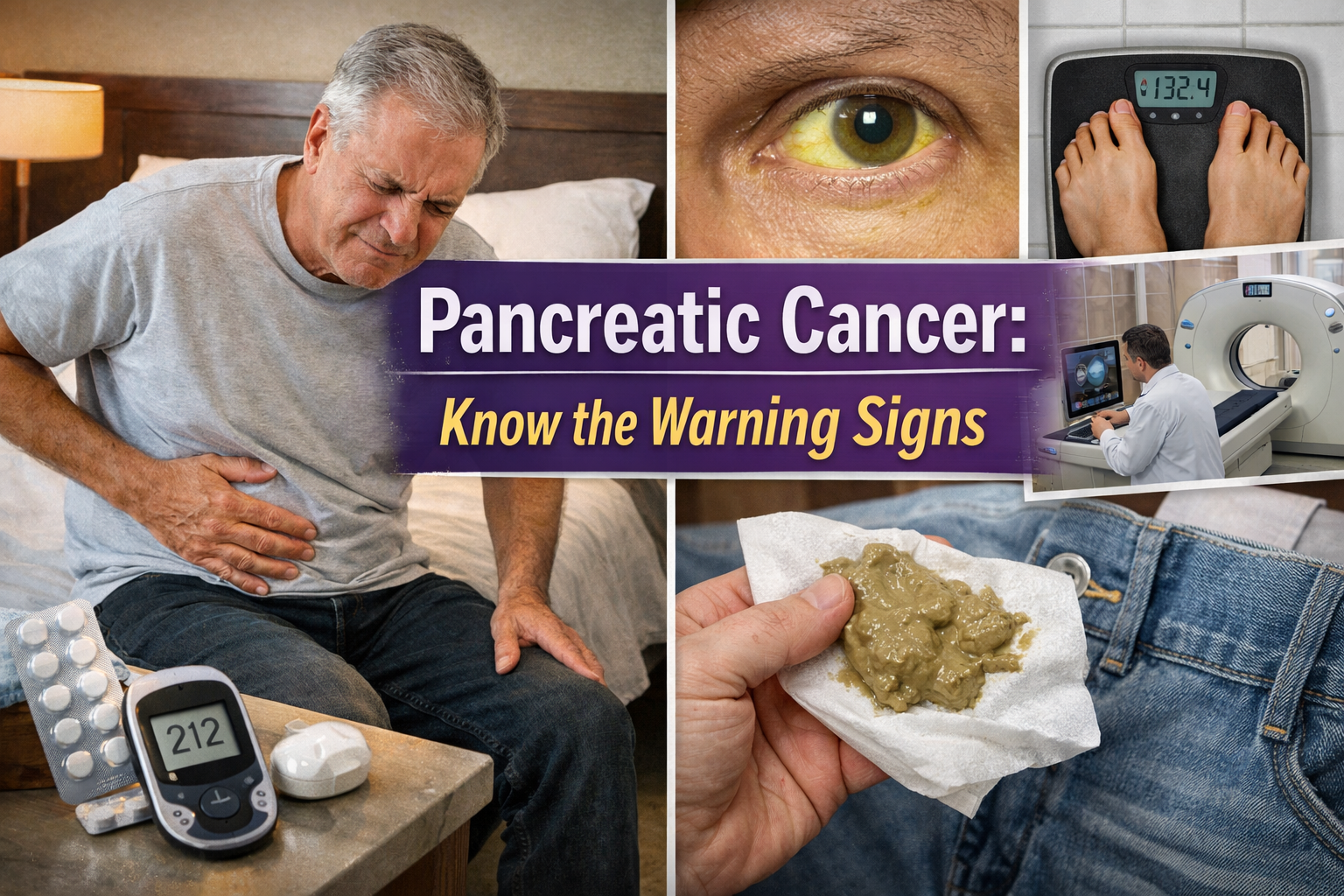
Pancreatic Cancer: Early Symptoms, Causes, and Risk Factors to Know
Pancreatic cancer is one of the hardest cancers to catch early. The problem is not only that it can be aggressive. It is also that the pancreas sits deep in the abdomen, and early changes often cause few symptoms or symptoms that look like far more common problems, such as indigestion, gallbladder issues, back strain, poor appetite, or blood sugar changes. By the time the disease becomes more obvious, it may already be advanced.
That is why awareness matters. Knowing what pancreatic cancer is, what warning signs can show up first, and which risk factors deserve attention does not replace medical care, but it can help people take symptoms seriously sooner. Early evaluation does not mean a person has cancer, but it can prevent dangerous delays.
What is pancreatic cancer?
Pancreatic cancer begins in the tissues of the pancreas, an organ behind the stomach that helps the body digest food and regulate blood sugar. The pancreas has two major jobs: it makes digestive enzymes that help break down food, and it makes hormones such as insulin and glucagon that help control blood glucose.
Pancreatic cancers can arise from different cell types. Most are exocrine cancers, usually pancreatic ductal adenocarcinomas, which are the more common form and are often diagnosed at an advanced stage. A smaller group begins in hormone-producing cells and is called pancreatic neuroendocrine tumors. These are less common and can behave differently.
Why pancreatic cancer is so easy to miss early
Early pancreatic cancer may cause no symptoms at all. When symptoms do appear, they often overlap with everyday digestive complaints or other medical conditions. That overlap is one reason diagnosis is frequently delayed. The pancreas is also hidden behind other organs, so small tumors are not something a person or clinician can usually detect on a routine physical exam.
There is also no routine screening test recommended for people in the general population who do not have symptoms. The U.S. Preventive Services Task Force recommends against screening asymptomatic adults for pancreatic cancer, and current biomarkers are not accurate enough for broad screening use.
Early symptoms of pancreatic cancer
The earliest signs are often subtle rather than dramatic. A person may notice that something feels “off” for weeks rather than experiencing one unmistakable symptom.
1. Upper abdominal pain or pain that spreads to the back
Pain is one of the best-known warning signs. It may start as a dull, nagging discomfort in the upper or middle abdomen and sometimes radiates into the back. Some people feel it more after eating or when lying down. Persistent pain like this does not automatically mean pancreatic cancer, but it deserves attention when it keeps returning or steadily worsens.
2. Unexplained weight loss
Unintentional weight loss is a major red flag. People may lose interest in food, feel full quickly, have trouble digesting meals, or lose weight without trying. Unexplained weight loss should never be brushed off as stress or “just getting older,” especially when it comes with abdominal pain, fatigue, or jaundice.
3. Loss of appetite
A reduced appetite can happen early, sometimes before more obvious symptoms develop. It may show up as early fullness, food aversion, or a general lack of interest in eating. On its own this symptom is nonspecific, but in combination with weight loss and abdominal symptoms it becomes more concerning.
4. Jaundice
Jaundice means yellowing of the skin and the whites of the eyes. It can happen when a tumor, especially one in the head of the pancreas, blocks the bile duct. This often comes with dark urine, light-colored or clay-colored stools, and sometimes itching. New jaundice needs prompt medical evaluation.
5. Nausea, vomiting, and trouble after eating
As a tumor grows, it can affect nearby digestive structures and make it harder for food to move normally. That can lead to nausea, vomiting, bloating, or feeling worse after meals. These symptoms are common in many digestive conditions, but when they persist or come with weight loss or pain, they should be evaluated.
6. Changes in stool
Some people develop greasy, floating, pale, or foul-smelling stools because the pancreas is no longer delivering enough digestive enzymes into the intestine. This kind of malabsorption may be mistaken for a diet issue or irritable bowel symptoms, but in the right context it can be an important clue.
7. Fatigue and unusual weakness
Persistent fatigue is common in many cancers, including pancreatic cancer. It often appears alongside poor appetite, weight loss, anemia, disrupted sleep from pain, or the body’s broader response to illness. Fatigue by itself is vague, but fatigue plus abdominal symptoms should not be ignored.
8. New-onset diabetes or suddenly changing blood sugar
Pancreatic cancer and diabetes have a complicated relationship. Long-standing diabetes is a risk factor, but new-onset diabetes can also sometimes be an early sign of pancreatic cancer, especially in older adults without the usual metabolic pattern. NCI notes that about 1 in 100 people with new-onset diabetes are diagnosed with pancreatic cancer within 3 years, and about 1 in 4 people with pancreatic cancer had already been diagnosed with diabetes.
9. Blood clots
Blood clots, including deep vein thrombosis, can sometimes be associated with pancreatic cancer. A new painful swollen leg, sudden shortness of breath, or unexplained chest pain needs urgent medical attention.
What causes pancreatic cancer?
There is no single cause in most cases. Cancer develops when cells accumulate genetic changes that allow them to grow and divide abnormally. Some of those mutations happen over time with aging. Others are linked to smoking, chronic inflammation, inherited mutations, or metabolic conditions such as diabetes and obesity.
Major risk factors for pancreatic cancer
Older age
Risk rises strongly with age. Pancreatic cancer is much more common in older adults than in younger people, and it is slightly more common in men than in women.
Smoking
Smoking is one of the strongest modifiable risk factors. The American Cancer Society states that the risk of pancreatic cancer is about twice as high in people who smoke as in those who never smoked. The risk falls after quitting, which makes smoking cessation one of the most meaningful prevention steps a person can take.
Obesity and excess body fat
Excess weight, especially obesity, is linked to a higher risk of pancreatic cancer. This may be partly related to chronic inflammation, insulin resistance, and broader metabolic stress.
Diabetes
Diabetes can be both a risk factor and, in some cases, a clue that pancreatic cancer is already present. That does not mean most people with diabetes have pancreatic cancer; they do not. It means that unusual new-onset diabetes, especially when paired with weight loss or abdominal symptoms, deserves thoughtful evaluation.
Chronic pancreatitis
Long-term inflammation of the pancreas raises pancreatic cancer risk. The risk is particularly important in hereditary pancreatitis, but chronic pancreatitis from other causes also matters.
Family history and inherited mutations
A family history of pancreatic cancer can increase risk, and some inherited mutations are linked to pancreatic cancer, including BRCA1, BRCA2, PALB2, ATM, and hereditary syndromes such as Lynch syndrome. People with a strong family history or known inherited cancer mutations may benefit from genetic counseling and individualized risk assessment.
Diet, alcohol, and other exposures
Diet alone does not “cause” pancreatic cancer, but overall lifestyle patterns matter. Heavy alcohol use can contribute indirectly by increasing the risk of chronic pancreatitis. Some occupational chemical exposures have also been linked with higher risk, although they are not among the most common drivers.
How pancreatic cancer is diagnosed
When pancreatic cancer is suspected, evaluation usually starts with a medical history, physical exam, and imaging. Common diagnostic tools include CT scans, MRI, and endoscopic ultrasound (EUS). If imaging suggests cancer, a biopsy is often used to confirm the diagnosis by examining tissue under a microscope.
Doctors also use staging to learn how far the cancer has spread. NCI describes stages from stage 0 through stage IV, and treatment planning also often uses practical categories such as resectable, borderline resectable, locally advanced, and metastatic disease.
Why stage at diagnosis matters so much
Pancreatic cancer outcomes vary sharply by stage. SEER reports a 5-year relative survival of 43.6% for localized disease, 16.7% for regional disease, and 3.2% for distant metastatic disease. SEER also reports that only about 15% of cases are diagnosed while still localized, while about 51% are diagnosed after the cancer has already spread to distant sites.
Those numbers help explain why pancreatic cancer remains such a serious disease. SEER currently lists it as the third leading cause of cancer death in the United States.
Can pancreatic cancer be screened for?
For most people, no routine screening is recommended. The USPSTF advises against screening asymptomatic adults in the general population because available tests have not shown enough benefit and can lead to harm.
That said, screening may be considered in selected high-risk groups, such as people with strong inherited susceptibility or significant family history, often using MRI and/or EUS at experienced centers. This is a specialized decision and is not something most people need.
When to see a doctor
Make a medical appointment promptly if you have:
persistent upper abdominal pain or back pain
unexplained weight loss
yellowing of the eyes or skin
dark urine or pale stools
ongoing nausea or vomiting
new diabetes after age 50, especially with weight loss
unusual fatigue that comes with digestive symptoms
Seek urgent care right away for new jaundice, severe worsening pain, signs of dehydration, a swollen painful leg, sudden shortness of breath, or chest pain.
Risk reduction: what you can do
No strategy can guarantee prevention, but risk can be lowered. The biggest practical steps are not smoking, maintaining a healthy weight, staying physically active, limiting heavy alcohol use, and managing diabetes or chronic pancreatitis carefully with medical guidance.
If pancreatic cancer runs in your family, or if you know you carry an inherited mutation linked to pancreatic cancer risk, talk with your clinician about genetic counseling. And if a person is diagnosed with pancreatic cancer, NCCN patient guidance says germline genetic testing should be part of care.
Frequently asked questions
What are the first symptoms of pancreatic cancer?
Early symptoms often include upper abdominal pain, back pain, loss of appetite, unexplained weight loss, fatigue, or jaundice. Some people first notice new-onset diabetes or worsening blood sugar control.
Is back pain always a sign of pancreatic cancer?
No. Back pain is far more often caused by muscle strain, spine problems, or other noncancer issues. But back pain that is persistent, unexplained, or linked with weight loss, jaundice, or digestive symptoms should be evaluated.
Is pancreatic cancer hereditary?
Most cases are not inherited, but some are linked to inherited mutations or hereditary cancer syndromes. A strong family history can be a reason to seek genetic counseling.
Can routine blood tests detect pancreatic cancer early?
Not reliably. There is currently no accurate, validated biomarker recommended for screening the general population.
Does everyone with new diabetes need a pancreatic cancer workup?
No. Most people with new diabetes do not have pancreatic cancer. The concern is higher when diabetes appears later in life and is paired with weight loss, abdominal symptoms, or other red flags.
Bottom line
Pancreatic cancer is difficult to spot early because the symptoms can be vague and easy to dismiss. Still, persistent abdominal or back pain, jaundice, unexplained weight loss, appetite loss, unusual stool changes, and new-onset diabetes are warning signs worth taking seriously. Smoking, older age, obesity, diabetes, chronic pancreatitis, and inherited risk all matter. Routine screening is not recommended for most people, but high-risk individuals may need specialized evaluation. When symptoms linger or cluster together, getting checked sooner is the safest move.