Hashimoto’s Disease Treatment: What Actually Helps, What to Expect, and Whether It Can Be Cured
Hashimoto’s disease treatment is often misunderstood. Many people assume that once they hear the diagnosis, they immediately need medication, need to follow a strict thyroid diet, or should expect the condition to improve quickly if they just “do the right things.” In real life, treatment is more nuanced than that.
Hashimoto’s disease is an autoimmune condition that affects the thyroid gland. Over time, the immune system attacks thyroid tissue, which can reduce the gland’s ability to produce enough thyroid hormone. But not everyone with Hashimoto’s has the same experience. Some people have thyroid antibodies with normal hormone levels and feel fine. Others develop clear hypothyroidism and need daily thyroid hormone replacement. Some have symptoms that improve once treatment is adjusted correctly, while others need time, follow-up, and a broader look at sleep, stress, iron status, nutrition, and other health issues.
That is why understanding treatment matters. This is not just about taking a pill. It is about knowing when treatment is needed, what the medication actually does, how it should be taken, what can interfere with it, what lifestyle changes may help support daily life, and what expectations are realistic over the long term.
This article explains the full picture of Hashimoto’s disease treatment in plain English. It covers how the thyroid works, what treatment usually involves, how doctors monitor progress, what living with Hashimoto’s can look like, and which common mistakes may get in the way. This content is educational and is not a substitute for personal medical care, diagnosis, or treatment. If you have significant symptoms, are pregnant, or think your treatment is not working well, it is important to speak with a qualified healthcare professional.
Table Of Contents
Understanding Hashimoto’s Disease Treatment
Types Of Hashimoto’s Disease Treatment Situations
Causes Of Treatment Needs In Hashimoto’s Disease
Symptoms Of Hashimoto’s Disease and Treatment Response
Risk Factors
Diagnosis Process
Living With Hashimoto’s Disease Treatment
Prevention Strategies
Practical Examples
Conclusion
Frequently Asked Questions
Final Editorial Disclaimer
References
Understanding Hashimoto’s Disease Treatment
Hashimoto’s disease treatment begins with understanding what the condition actually is. Hashimoto’s is not simply a “low thyroid.” It is an autoimmune disease. That means the immune system, which is supposed to protect the body, mistakenly targets the thyroid gland.
The thyroid is a small gland in the lower front of the neck. It produces hormones that help regulate metabolism, body temperature, heart rate, energy use, digestion, menstrual function, and many other everyday processes. When the thyroid is working well, most people never think about it. When it is underactive, daily life can gradually feel harder in ways that may seem vague at first.
Hashimoto’s can damage the thyroid slowly over time. In the early phase, someone may have positive thyroid antibodies but normal thyroid hormone levels. That person may not need medication yet. Later, as thyroid function declines, the body may no longer make enough hormone, and hypothyroidism develops. That is when treatment usually becomes necessary. Mayo Clinic and the American Thyroid Association both describe levothyroxine as the standard treatment when Hashimoto’s leads to hypothyroidism.
The main treatment is usually levothyroxine, a synthetic form of T4, one of the main hormones the thyroid normally makes. Think of it as hormone replacement. It does not “cure” the autoimmune process itself. Instead, it helps replace what the thyroid can no longer produce adequately. That distinction is important. The goal is not to erase Hashimoto’s from the immune system. The goal is to restore healthy hormone levels and reduce the symptoms and risks that come from low thyroid function.
For many people, that sounds simple: take medication and move on. But in daily life, treatment can be more detailed than that. The dose needs to fit the individual. The medication needs to be absorbed properly. Blood tests need to be checked over time. Pregnancy, aging, body weight changes, gastrointestinal issues, supplements, and other medications can all affect how treatment works.
A practical way to think about Hashimoto’s disease treatment is this:
The autoimmune disease is the background condition.
The thyroid hormone deficiency is often the part being treated directly.
Monitoring matters because needs can change over time.
Daily habits can support treatment, but they do not replace it when true hypothyroidism is present.
That framework helps people set realistic expectations. Good treatment can help many people feel much better. But it usually works best when medication, follow-up, and practical self-care are all working together.
Types Of Hashimoto’s Disease Treatment Situations
There is no single treatment path that fits everyone with Hashimoto’s disease. The condition can show up in different stages and patterns, and treatment decisions depend heavily on what is happening with thyroid function at that moment.
Hashimoto’s With Positive Antibodies but Normal Thyroid Levels
Some people are diagnosed after blood work shows thyroid antibodies, but their TSH and free T4 are still in the normal range. In this situation, treatment may not begin right away. Instead, a clinician may monitor thyroid function periodically. This is common and does not mean the condition is being ignored. It means the person is being watched for changes rather than being overtreated.
In real life, this can be frustrating. A person may feel worried because they have been told they have an autoimmune thyroid condition, but they leave without a prescription. The reason is simple: medication replaces hormone. If hormone levels are still adequate, starting replacement may not help and may even lead to overtreatment.
Hashimoto’s With Subclinical Hypothyroidism
Subclinical hypothyroidism generally means the TSH is elevated, but the free T4 is still normal. This is a gray-zone area. Some people are monitored, while others are treated depending on the degree of TSH elevation, symptoms, age, pregnancy plans, cardiovascular risk, and other factors.
This is one reason two people with apparently similar lab results may get different recommendations. Treatment is individualized.
Hashimoto’s With Overt Hypothyroidism
This is the clearest treatment situation. The thyroid is not making enough hormone, and hormone replacement is usually recommended. This is where levothyroxine becomes the cornerstone of treatment. The aim is to restore a normal hormone balance and reduce symptoms such as fatigue, constipation, dry skin, cold intolerance, slowed thinking, and weight-related changes.
Hashimoto’s During Pregnancy or When Trying to Conceive
This is an especially important situation because thyroid hormone is important for pregnancy and fetal development. People who are pregnant, newly pregnant, or trying to conceive often need closer monitoring and sometimes faster dose adjustments.
In practical terms, someone who has done well on a stable dose for years may suddenly need more careful lab follow-up during pregnancy.
Hashimoto’s With Ongoing Symptoms Despite Treatment
Some people take levothyroxine and still do not feel fully well. That does not automatically mean the medication is wrong. It may mean the dose needs adjustment, the medication is not being absorbed well, or another issue is contributing to symptoms, such as anemia, poor sleep, depression, vitamin deficiencies, perimenopause, stress overload, or another medical condition.
This is why good Hashimoto’s care is not just about writing a prescription. It also involves stepping back and asking whether the whole clinical picture makes sense.
Causes Of Treatment Needs In Hashimoto’s Disease
The underlying cause of treatment need in Hashimoto’s disease is damage to the thyroid gland from autoimmune activity. Over time, repeated immune attack can reduce the gland’s ability to produce thyroid hormone reliably.
That basic process sounds simple, but treatment needs usually emerge from a combination of factors.
Progressive Loss of Thyroid Function
This is the main reason treatment becomes necessary. The thyroid may still work adequately for a while, then gradually struggle more. A person may move from normal thyroid function to borderline changes and then to clear hypothyroidism.
This slow progression is why some people do not need treatment at the time of diagnosis but do need it later.
Increased Hormone Demand
Sometimes treatment becomes necessary not because the autoimmune process suddenly changed dramatically, but because the body’s hormone demands changed. Pregnancy is one major example. Weight changes, other illnesses, and life stage changes can also affect thyroid hormone needs.
Medication or Supplement Interference
A person may technically be on treatment but still need “more treatment” because the medication is not being absorbed consistently. Iron supplements, calcium supplements, some antacids, sucralfate, and cholestyramine are all known to interfere with levothyroxine absorption if not timed properly. NIH and thyroid association sources note that medication timing and drug interactions can make a major difference in treatment effectiveness.
This matters in real life more than many people realize. Someone may say, “My thyroid medication stopped working,” when the actual issue is that they started taking calcium with breakfast at the same time as their pill.
Inconsistent Use
Treatment may also seem ineffective when doses are missed, taken at different times every day, or taken with food inconsistently. Levothyroxine works best when it is taken in a consistent routine.
Other Health Conditions
Digestive conditions, celiac disease, some stomach disorders, changes in gastric acid, and certain medications may also affect how the body handles thyroid medication. This does not mean treatment cannot work. It means the treatment plan may need more attention and sometimes a different formulation.
Symptoms Of Hashimoto’s Disease and Treatment Response
Hashimoto’s symptoms are often less dramatic than people expect. Instead of one clear sign, there may be a cluster of everyday problems that slowly build.
Common symptoms linked to hypothyroidism from Hashimoto’s may include:
Fatigue that feels persistent rather than just busy-life tiredness
Increased sensitivity to cold
Weight gain or difficulty managing weight
Constipation
Dry skin
Hair thinning
Slower thinking or brain fog
Depression or low mood
Hoarseness
Heavier or irregular periods
Muscle aches
Elevated cholesterol in some cases
Puffiness, especially around the face
Slower heart rate in some people
These symptoms matter because they affect routine life. A person may stop exercising because they feel wiped out. They may struggle to focus at work. They may assume they are just stressed, aging, or “off” when the thyroid is part of the problem. Cleveland Clinic and Mayo Clinic both describe these kinds of symptoms as common in hypothyroidism and Hashimoto’s-related thyroid dysfunction.
What Improvement May Feel Like
When treatment is working well, improvement often happens gradually rather than overnight.
A person may notice:
Better energy
Less mental fog
Improved bowel regularity
Feeling less chilled
Better exercise tolerance
More stable mood
Less hair shedding over time
Improved menstrual regularity in some cases
It is important to remember that not every symptom disappears immediately. Hair, skin, and weight-related changes may take longer. Some symptoms may also have more than one cause.
Signs the Dose May Be Too High
Too much thyroid hormone can push the body toward an overactive state. This can cause symptoms such as:
Fast heartbeat
Palpitations
Feeling shaky
Heat intolerance
Nervousness
Trouble sleeping
Increased sweating
Unexplained weight loss
Anxiety or irritability
These symptoms should not be brushed off as “just stress.” A dose that is too high may need correction. Overreplacement can be harmful, especially over time. Mayo Clinic and other clinical references note that excess dosing can lead to symptoms of too much thyroid hormone.
Risk Factors
Several factors can increase the likelihood of developing Hashimoto’s disease or of having more significant treatment needs over time.
Sex and Age
Hashimoto’s is more common in women, and it often appears in adulthood, though it can occur at different ages.
Family History
A family history of thyroid disease or autoimmune disease can raise the likelihood. This does not guarantee someone will develop it, but it shifts the odds.
Other Autoimmune Conditions
People with one autoimmune condition are more likely to have another. Conditions such as type 1 diabetes, celiac disease, rheumatoid arthritis, lupus, and others may overlap.
Pregnancy and Postpartum Changes
Hormonal and immune shifts around pregnancy can influence thyroid health and treatment needs.
Existing Thyroid Damage
The more thyroid tissue has been affected over time, the more likely hormone replacement becomes necessary.
Medication Timing Problems
This is a practical risk factor for poor control, even after diagnosis. A person may have the right medication and the right dose on paper but still run into trouble because of how they are taking it.
High Supplement Use Without Planning
Many health-conscious people take iron, calcium, magnesium, fiber products, or antacids. The products themselves are not automatically a problem, but poor timing can interfere with treatment.
Diagnosis Process
Hashimoto’s disease treatment starts with an accurate evaluation. Treatment decisions should not be based on symptoms alone because symptoms of thyroid imbalance can overlap with many other issues.
Medical History and Symptom Review
A clinician usually starts by looking at symptoms, family history, medication use, pregnancy status, and whether the person has other autoimmune conditions.
Thyroid Blood Tests
The key lab tests often include:
TSH
Free T4
Sometimes free T3, depending on context
Thyroid peroxidase antibodies and sometimes thyroglobulin antibodies
TSH is often used as the main marker for tracking thyroid hormone replacement. If TSH is high and free T4 is low, that strongly supports hypothyroidism.
Physical Exam
The thyroid may be enlarged in some people. Others may have no obvious neck changes at all. A clinician may also look for dry skin, slower reflexes, swelling, or other findings.
Ultrasound in Selected Cases
A thyroid ultrasound is not needed for everyone, but it may be used if the gland feels enlarged, nodular, uneven, or if there are other concerns.
Follow-Up Monitoring
Diagnosis is not always a one-time moment. Sometimes the first lab results suggest a trend rather than a final answer. That is why monitoring matters. Treatment may start after repeat testing or after a clearer pattern develops.
Living With Hashimoto’s Disease Treatment
Living with Hashimoto’s treatment is often less about dramatic medical interventions and more about consistency. For many people, the most important skill is building a routine that is boring in the best possible way: take the medication correctly, check labs when recommended, and notice patterns without becoming obsessed with every minor symptom.
What Daily Management Often Looks Like
For many adults, daily management includes:
Taking levothyroxine at the same time each day
Taking it on an empty stomach if instructed
Avoiding mixing it too closely with iron, calcium, or certain antacids
Getting follow-up blood work as recommended
Not changing brands or formulations casually without discussing it
Keeping a simple symptom log if needed
Paying attention to sleep, diet quality, movement, stress, and other health basics
Common Emotional Friction Points
Even when treatment is medically straightforward, it can still feel draining.
People may feel:
Frustrated that symptoms were dismissed for a long time
Anxious about lifelong medication
Confused by thyroid content online
Discouraged if weight does not change quickly
Overwhelmed by conflicting advice about gluten, dairy, iodine, supplements, or “natural thyroid cures”
This is where a grounded approach matters. Hashimoto’s treatment usually works best when people focus on proven basics first instead of chasing every trend.
Realistic Expectations
A realistic expectation is not perfection. It is improvement, stability, and safer long-term thyroid hormone balance.
Someone may still have stressful weeks, poor sleep, or low-energy days. That does not always mean their medication failed. Sometimes the question is not “Is it my thyroid?” but “Is my thyroid one part of a larger picture?”
Long-Term Outlook
The long-term outlook is generally good when hypothyroidism is treated appropriately. Many people live full, active lives with stable thyroid replacement.
That said, follow-up still matters. Needs can change over time, and treatment is usually not something to set once and forget forever.
Prevention Strategies
Hashimoto’s disease itself cannot always be prevented, especially when autoimmune risk is already present. But treatment problems, symptom worsening, and poor day-to-day control can often be reduced with practical habits.
Use Medication Consistently
This is the single most important daily strategy if you have hypothyroidism from Hashimoto’s. Choose a routine you can realistically follow.
For example:
Take it first thing in the morning with water
Wait the recommended time before eating
Or take it at bedtime if your clinician says that fits your routine better and you can be consistent
The best schedule is usually the one you can follow reliably.
Separate Problematic Supplements and Medications
Keep iron, calcium, aluminum-containing antacids, and similar products away from your thyroid medication by the time interval your clinician recommends, often several hours. This is one of the most overlooked ways to improve treatment success.
Do Not Self-Adjust Doses
Feeling tired for a week does not automatically mean you need more hormone. Feeling anxious does not automatically mean you need less. Lab-guided adjustments are usually safer than guesswork.
Watch for Life Changes That May Affect Treatment
Talk with your clinician if you become pregnant, have a major weight change, start estrogen therapy, change gastrointestinal medications, or begin new supplements.
Support Overall Health
Lifestyle does not replace hormone therapy when you need it, but it can support how you feel overall.
Helpful basics may include:
Regular meals with enough protein and fiber
Adequate sleep
Physical activity most days of the week
Stress management
Avoiding smoking
Following up on iron deficiency, low vitamin B12, or other issues when appropriate
Be Careful With Online Thyroid Advice
Many people with Hashimoto’s are targeted by oversimplified claims that promise reversal, detoxes, or quick thyroid healing. These messages can be expensive, misleading, and emotionally exhausting.
A better approach is to ask:
Is this advice medically grounded?
Does it apply to my actual lab results and symptoms?
Is it asking me to stop prescribed medication?
Is it making dramatic promises?
If the answer raises concern, step back.
Practical Examples
A Simple Morning Routine Example
This routine may help someone taking levothyroxine:
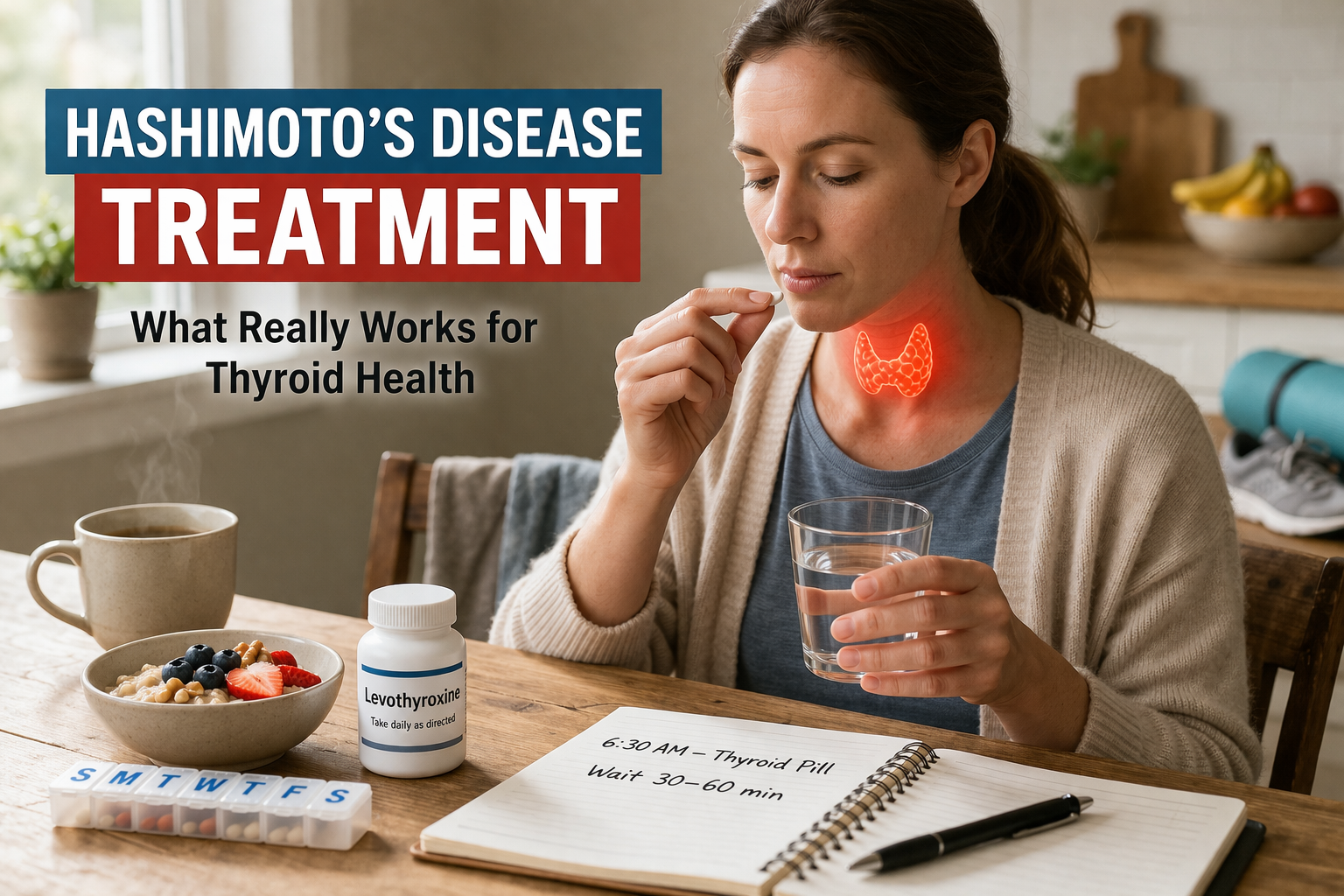
Wake up and take levothyroxine with water.
Avoid coffee, breakfast, calcium, iron, and supplements for the interval recommended by your clinician.
Eat breakfast later.
Take other supplements with lunch or dinner if appropriate.
This kind of routine reduces confusion and improves consistency.
A Real-Life Problem-Solving Example
A person says, “My thyroid labs were stable for months, then suddenly got worse.”
Possible practical reasons to review:
Did they start taking calcium gummies at breakfast?
Did they switch brands?
Did they start a stomach medication?
Are they missing doses on weekends?
Have they become pregnant?
Are they taking the pill with coffee every morning?
Sometimes the answer is not mysterious. It is hidden in routine changes.
A Weekly Self-Management Checklist
Use a simple checklist like this:
Did I take my medication consistently this week?
Am I separating it from iron or calcium?
Have I started any new supplements or medications?
Have I had symptoms of too much thyroid hormone, such as palpitations or shakiness?
Have I had worsening fatigue, constipation, or cold intolerance?
Do I need to schedule follow-up labs?
This does not mean monitoring yourself obsessively. It just helps you notice patterns early.
What To Do and What Not To Do
Do
Take your medication exactly as directed
Keep follow-up appointments and lab checks
Ask before adding major supplements
Tell your clinician about pregnancy or pregnancy plans
Track symptoms in a simple, calm way
Focus on sustainable habits
Do Not
Double up doses without guidance unless specifically instructed
Stop treatment because you feel better
Assume every symptom is caused by thyroid disease
Start multiple supplements at once without a reason
Treat internet advice as equal to clinical care
Expect lifestyle changes alone to replace hormone therapy when hypothyroidism is confirmed
Beginner-Friendly Daily Support Ideas
These do not treat Hashimoto’s directly, but they may support overall wellbeing:
Build meals around protein, produce, and high-fiber carbohydrates
Stay active with walking, strength work, or low-impact exercise
Keep sleep and wake times fairly consistent
Use a pill organizer or phone reminder
Write down questions before medical visits
Bring a list of medications and supplements to appointments
When to Seek Medical Care Promptly
Contact a qualified healthcare professional if:
Symptoms are worsening despite treatment
You develop palpitations, tremor, or significant anxiety after a dose change
You are pregnant or think you may be pregnant
You have severe fatigue, swelling, major mood changes, or unusual symptoms that interfere with daily life
Seek urgent care promptly if you have:
Chest pain
Severe shortness of breath
Fainting
Confusion
A very rapid or irregular heartbeat that feels significant
These symptoms are not specific to Hashimoto’s and should not be brushed off.
Conclusion
Hashimoto’s disease treatment is usually most effective when it is understood clearly and managed consistently. The core issue is not simply having antibodies or being told you have thyroid disease. The key question is whether the thyroid is still producing enough hormone and, if not, how best to replace that hormone safely and steadily.
For many people, treatment centers on levothyroxine, regular monitoring, and building a routine that supports reliable absorption. That may sound simple, but small details matter. Timing, supplements, pregnancy, other medications, digestive issues, and dose changes can all shape how well treatment works.
The most practical next step is to know your own treatment stage. Are you being monitored without medication? Are you taking thyroid hormone but still having symptoms? Have you recently changed your routine, started supplements, or entered a life stage that may affect thyroid needs? Those questions often lead to clearer answers than fear or guesswork.
With appropriate follow-up, many people with Hashimoto’s disease do very well. Stable treatment, realistic expectations, and thoughtful daily habits can make a meaningful difference over time.