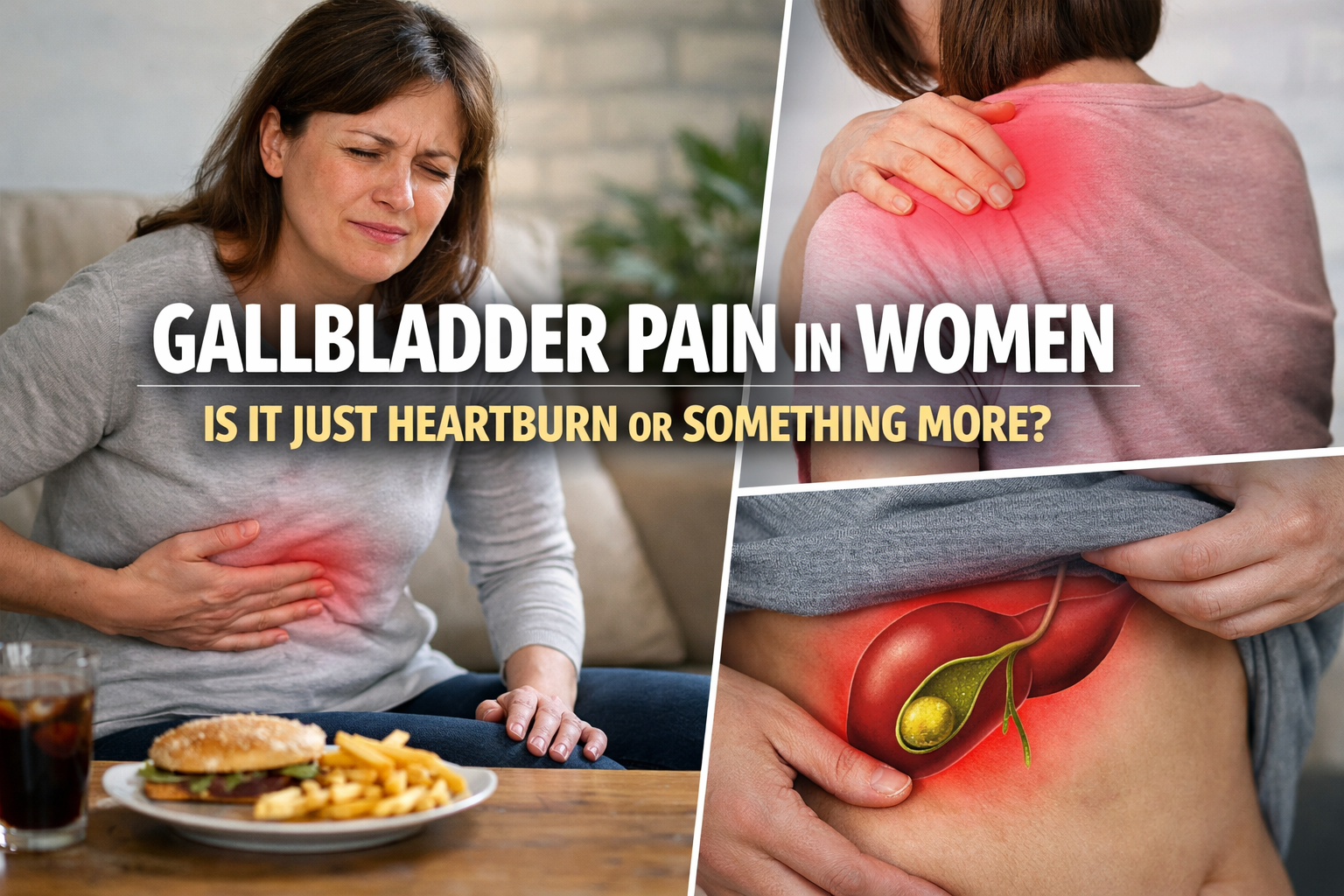
Female Pancreatitis Pain Location: Where the Pain Is Felt, Why It Happens, and When to Get Help
When people search for female pancreatitis pain location, they are usually trying to answer a very practical question: Where does pancreatitis hurt in a woman, and how can that pain be recognized before it gets worse? The short answer is that pancreatitis pain is usually felt in the upper abdomen, often in the middle or upper left area, and it may spread through to the back. But that simple description does not tell the whole story. Pain can feel sharp, deep, burning, gripping, constant, or worse after eating. It can also be confused with gallbladder pain, heartburn, ulcers, a pulled muscle, or even a heart problem.
This matters in real life because pancreatitis is not just “bad stomach pain.” It is inflammation of the pancreas, an organ that helps with digestion and blood sugar control. In some cases, it can become serious very quickly. Many women delay care because they assume the pain is indigestion, stress, menstrual discomfort, or gallbladder trouble. Knowing the likely pain location, the warning signs around it, and the situations that raise concern can help someone seek care sooner and avoid dangerous delays.
This guide explains where pancreatitis pain is commonly felt in women, why the pain can move or radiate, what may trigger it, which symptoms often come with it, how doctors evaluate it, and what day-to-day recovery can involve. It is for education, not self-diagnosis. Severe, sudden, persistent, or worsening abdominal pain always deserves medical attention, especially if it comes with vomiting, fever, yellowing of the skin or eyes, fainting, trouble breathing, or severe weakness.
Table Of Contents
Understanding female pancreatitis pain location
Types Of female pancreatitis pain location
Causes Of female pancreatitis pain location
Symptoms Of female pancreatitis pain location
Risk Factors
Diagnosis Process
Living With female pancreatitis pain location
Prevention Strategies
Practical Examples
Conclusion
Frequently Asked Questions
Final Editorial Disclaimer
References
Understanding female pancreatitis pain location
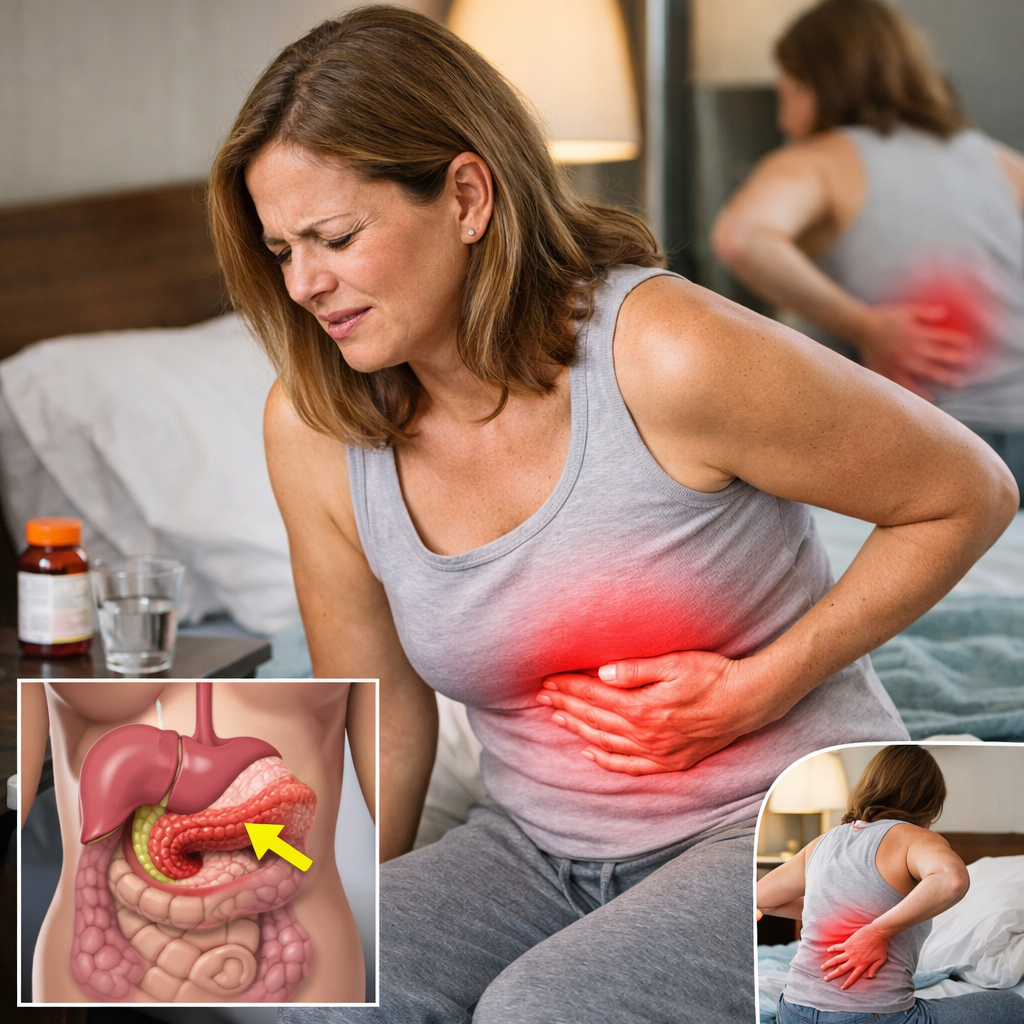
The pancreas sits deep in the upper abdomen, behind the stomach and close to the first part of the small intestine. Because of where it sits, pancreatic pain often feels deeper than ordinary stomach discomfort. It is not always easy to point to with one finger. Many people describe it as a deep, intense, hard-to-ignore pain in the upper belly.
In women, the location of pancreatitis pain is generally not fundamentally different from men, but the way the pain is interpreted can be different. A woman may assume it is menstrual cramping, gallbladder pain, reflux, bloating, or even anxiety-related discomfort. That can make recognition harder, especially early on.
Where pancreatitis pain is usually felt
The most common location is:
Upper middle abdomen
Upper left abdomen
Sometimes more broadly across the upper belly
Many people feel the pain just below the breastbone or under the rib area. In some cases, it starts in the center and then seems to spread outward. Others describe it as a band-like pain across the upper abdomen.
Why the pain often goes to the back
A classic feature of pancreatitis is that the pain may radiate to the back. This happens because the pancreas lies deep in the body, near the spine. Instead of staying in one spot, inflammation can create pain that seems to travel straight through from the front abdomen to the mid-back.
This can be especially confusing in women who already have back tension, posture-related pain, or pain around the bra line. Someone might think they strained a muscle when the actual problem is inside the abdomen.
What the pain can feel like
People use different words to describe pancreatitis pain, including:
Deep
Sharp
Severe
Burning
Gnawing
Steady
Pressure-like
Squeezing
Boring through to the back
The pain is often constant rather than brief. It may build over minutes to hours and then stay strong. In acute pancreatitis, it can become severe enough that normal activities stop completely. A person may have trouble standing upright, eating, sleeping, or finding a comfortable position.
Does the pain stay in one place?
Not always. It can begin in the upper abdomen and spread to:
The middle back
The left side
The chest
Less commonly, the shoulder area
This is one reason pancreatitis can be mistaken for other conditions. Pain that seems to wrap around the torso or sit in the back may not immediately feel “digestive.”
Why the search term includes “female”
When people search for female pancreatitis pain location, they may be looking for one of several concerns:
Whether pancreatitis pain feels different in women
Whether it can be confused with gallbladder pain, ovarian pain, or menstrual pain
Whether women experience different warning signs
Whether pregnancy, gallstones, hormones, or certain medications can affect risk
The key point is this: the pancreas is in the same general location regardless of sex, so the main pain location is still the upper abdomen with possible spread to the back. The more useful distinction is that in women, the pain can be misread because other abdominal and pelvic causes are also common.
Types Of female pancreatitis pain location
Pancreatitis itself usually falls into different forms, and the pain pattern can vary depending on the type.
Acute pancreatitis
Acute pancreatitis starts suddenly. Pain is usually strong, noticeable, and often frightening. It commonly appears in the upper abdomen and may radiate to the back. The pain may feel worse after eating, especially after a heavy or fatty meal.
A woman with acute pancreatitis may say something like: “The pain came on hard in the upper part of my stomach and then started going through to my back. I couldn’t get comfortable, and I felt sick.”
This is the form most likely to send someone to the emergency department.
Chronic pancreatitis
Chronic pancreatitis is long-term inflammation or damage. The pain may still be in the upper abdomen, but the pattern can be different. It may:
Come and go
Last for long periods
Flare after eating
Be duller than acute attacks, but persistent
Be accompanied by digestive problems and weight loss
Some people with chronic pancreatitis have repeated episodes that resemble acute attacks. Others develop ongoing discomfort that interferes with appetite, sleep, and daily life.
Gallstone-related pancreatitis
This deserves special attention in women because gallstones are a common cause of pancreatitis, and gallbladder disease is especially common in women. Pain may overlap with typical biliary pain, which often affects the upper right abdomen or the upper middle abdomen and may also radiate to the back or shoulder.
In gallstone pancreatitis, the pain may feel like a severe upper abdominal attack that is harder to separate from gallbladder pain. This is one reason evaluation matters. The cause affects treatment.
Autoimmune and less common forms
Some forms of pancreatitis develop from autoimmune disease, medication effects, high triglycerides, high calcium, structural blockage, or unknown reasons. The pain location is still often upper abdominal, but the severity and associated symptoms may differ.
Mild versus severe pain patterns
Pain can also be thought of in terms of severity:
Mild to moderate pattern
Upper abdominal discomfort
Worse after eating
Nausea
Tenderness
Back discomfort
Severe pattern
Intense upper abdominal pain
Pain radiating to the back
Vomiting
Sweating
Fast heart rate
Weakness
Trouble finding any comfortable position
The location may be similar in both cases, but the intensity and body-wide symptoms can look very different.
Causes Of female pancreatitis pain location
The pain happens because the pancreas becomes inflamed. When that inflammation develops, the surrounding tissues and nerves can become irritated, and digestion-related processes can be disrupted. This is what creates the deep upper abdominal pain.
Common causes
Gallstones
Gallstones are one of the most common causes of acute pancreatitis. A stone can block the flow of digestive fluids where the bile duct and pancreatic duct connect. That backup can trigger inflammation in the pancreas.
This cause is especially important in women because gallstones are more common in women than in men. A woman with a history of gallbladder attacks, right upper abdominal pain, pain after fatty meals, or known stones may be at higher risk of gallstone-related pancreatitis.
Alcohol use
Heavy alcohol use is another major cause. Alcohol-related pancreatitis may happen after long-term heavy drinking, but risk patterns vary. Some people develop pancreatitis without what they think of as “extreme” use.
Not every woman with pancreatitis drinks alcohol, and assuming that is the cause can delay proper evaluation. Gallstones, medication effects, triglycerides, and other conditions may be more relevant.
High triglycerides
Very high blood triglyceride levels can trigger pancreatitis. This can happen in people with metabolic syndrome, poorly controlled diabetes, obesity, inherited lipid disorders, or certain hormonal and medication-related conditions.
Certain medications
Some medicines have been linked with pancreatitis in rare cases. The exact risk depends on the drug and the individual. This is one reason doctors ask carefully about prescription medicines, supplements, and recent medication changes.
High calcium levels
High blood calcium can contribute to pancreatitis in some people, including those with parathyroid disorders or other metabolic problems.
Less common causes
Autoimmune conditions
Pancreatic duct blockage
Abdominal injury
Certain infections
Genetic factors
Procedures involving the bile or pancreatic ducts
Pancreatic tumors or structural abnormalities
Unknown cause, sometimes called idiopathic pancreatitis
Why the cause changes the pain story
The location of pain may not tell you the cause on its own. Two people can have similar upper abdominal pain, but one has gallstone pancreatitis and the other has high-triglyceride pancreatitis. That is why pain location is a clue, not a diagnosis.
In real life, this matters because treatment can differ. Gallstone-related cases may need gallbladder management or bile duct procedures. Triglyceride-related cases need metabolic follow-up. Medication-related cases may require review of the drug list. Chronic pancreatitis may require longer-term digestive and nutrition support.
Symptoms Of female pancreatitis pain location
The pain is usually the main symptom, but pancreatitis rarely comes alone. The symptoms around the pain often provide the bigger warning sign.
Core pain symptoms
Typical pain features include:
Pain in the upper abdomen
Pain in the upper left or middle upper abdomen
Pain that radiates to the back
Pain that is constant and severe
Pain that may feel worse after eating
Tenderness when the abdomen is touched
Common accompanying symptoms
Nausea
Vomiting
Bloating
Loss of appetite
Fever
Rapid heart rate
Sweating
Weakness
Fatigue
A person may say she feels like the pain is “inside” rather than on the surface. She may look unwell, stop eating, and feel worse after even a small meal.
Symptoms that may suggest a more serious situation
Yellowing of the eyes or skin
Dark urine
Pale or greasy stools
Shortness of breath
Dizziness or fainting
Confusion
Severe dehydration
Inability to keep fluids down
Chest pain or pain that feels hard to separate from a heart problem
What chronic pancreatitis may add
Long-term pancreatitis can affect digestion because the pancreas helps break down food. Over time, symptoms may include:
Ongoing upper abdominal pain
Pain after meals
Weight loss without trying
Greasy or oily stools
Frequent diarrhea
Bloating after eating
Trouble tolerating fatty foods
Blood sugar problems
For some women, the daily problem is not one dramatic attack but a slow pattern of pain, food fear, and digestive frustration.
How pancreatitis pain may be confused with other conditions in women
This is one of the most important parts of the topic. A woman may mistake pancreatitis pain for:
Gallbladder pain
Acid reflux
Gastritis or ulcer pain
Menstrual pain
Endometriosis flare
Ovarian cyst pain
Musculoskeletal back pain
Chest-related pain
Anxiety-related tightness
Indigestion after a heavy meal
The problem is that pancreatitis often needs prompt medical care. When severe upper abdominal pain is new, intense, persistent, or associated with vomiting or fever, it should not simply be “watched at home.”
Risk Factors
Some factors make pancreatitis more likely or make attacks more likely to happen.
Gallstone-related risk factors
Because gallstones are a major cause, risk factors for gallstones matter. These may include:
Female sex
Pregnancy history
Obesity
Rapid weight loss
Older age
Family history
Some hormone-related factors
Diet and metabolic factors
This does not mean every woman with gallstones will get pancreatitis. It means gallstones are part of the risk picture and should not be ignored when upper abdominal pain starts.
Metabolic and health-related risk factors
High triglycerides
Diabetes or insulin resistance
Obesity
High calcium levels
Liver or biliary disease
Lifestyle-related risk factors
Heavy alcohol use
Smoking
Poor follow-up of known gallbladder disease
Delaying care during severe pain episodes
Medical and personal history factors
Prior pancreatitis
Family history of pancreatic disease
Autoimmune disease
Some medications
Recent procedures involving bile ducts or pancreas